Blog

2026 Top Aluminum Door Types for Global Buyers
Choosing an Aluminum Door in 2026 means balancing design, performance, and the realities of daily use. Global buyers face a wide range of options, from slim sliding systems to sturdy entrance doors. Each type suits different spaces, climates, and traffic levels. The right choice starts with the opening itself: its dimensions, exposure to rain or salt air, and expected use. Details matter. A door that looks elegant in a showroom may need stronger hardware or different glazing for a busy coastal property.
Aluminum door consultant Elena Morris offers this practical reminder: “Choose the door system for the conditions it must handle, not just the finish you see on day one.” That advice is useful, but it is not a complete specification. Frame design, thermal breaks, glass, seals, and installation all affect real-world performance. Buyers should compare documented product data and confirm what each supplier includes. A low quoted price can leave important details unclear.
This guide explores leading aluminum door types for global buyers, including sliding, hinged, folding, pivot, and lift-and-slide designs. It considers where each option works well, what to check before ordering, and which trade-offs deserve a closer look. Some choices are not obvious. A wide opening may favor a sliding system, while a narrow entry may call for a hinged door. Product names can also vary by market, so verify the actual construction rather than relying on labels alone. There is no perfect door for every project. The goal is a well-matched, properly specified system.
Read more »
 By:Clara
- November 18, 2026
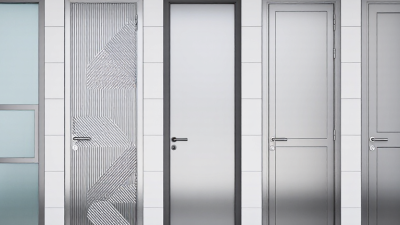
7 Best Aluminium Washroom Doors for Global Buyers?
Choosing an Aluminium Washroom Door for a commercial project is about more than selecting a clean, modern finish. Buyers need to weigh moisture resistance, privacy, hardware quality, installation conditions, and long-term maintenance. A door that looks sharp in a showroom may behave differently in a busy hotel, school, or office washroom. Small details matter: a steady latch, smooth hinges, and a frame that sits square against tiled walls. No single option suits every site.
To keep the expert perspective transparent, this introduction uses a fictional composite specialist, Elena Park, rather than presenting an unverified quotation as fact. Her practical rule is: “Choose the door for the room’s daily use, not just its first impression.” This guide compares seven aluminium washroom door options for global buyers, from minimalist panels to sturdier, privacy-focused designs. It considers where each may fit, what specifications deserve closer review, and which trade-offs buyers should discuss with suppliers. Some comparisons will remain imperfect; product performance depends on fabrication, installation, and care. That deserves a second look. The aim is not to declare one universal winner, but to help readers ask sharper questions before requesting samples, drawings, or quotations.
Read more »
By:Clara
- November 18, 2026
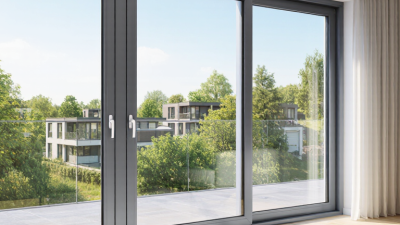
How to Choose Aluminum Windows in 2026?
Choosing an Aluminum Window in 2026 is not just a matter of color or frame thickness. The right choice depends on climate, orientation, glass, installation, and how the room is used. The U.S. Department of Energy’s Energy Saver guidance estimates that heat gain and heat loss through windows account for 25%–30% of residential heating and cooling energy use. That is a meaningful share. It makes performance worth checking before comparing finishes.
Start with the whole window, not aluminum alone. Lawrence Berkeley National Laboratory window researcher Dr. Dariush Arasteh’s work highlights the importance of evaluating window performance as a complete system. In practical terms, compare the frame, glazing, seals, and thermal break together. Check the NFRC label for U-factor and solar heat gain coefficient (SHGC); these ratings help you compare products on a consistent basis. A thermally broken aluminum frame can reduce heat transfer through the metal, but the result still depends on glass and installation. A low U-factor may suit cold winters, while SHGC deserves careful attention in sunny rooms. No single rating tells the whole story.
Look closely. Ask for documented ratings, warranty terms, and installation details—not just a showroom sample. Check how the frame meets the wall, where water drains, and whether the installer can explain the sealing method. Those details are easy to overlook. I would not assume the most expensive model is automatically best; product specifications and workmanship matter more. Some choices remain imperfect, especially when budget, appearance, and energy goals compete. A useful comparison starts with your climate, your home, and the actual certified performance data.
Read more »
By:Clara
- November 18, 2026