Featured Hurricane Impact & Thermal Break Systems
Precision-manufactured aluminum windows and doors certified under rigorous international standards (NFRC, CSA, AS 2047, CE). Customized to exact architectural shop drawings for residential, commercial, and hospitality projects across Dubai, Abu Dhabi, and the Northern Emirates.
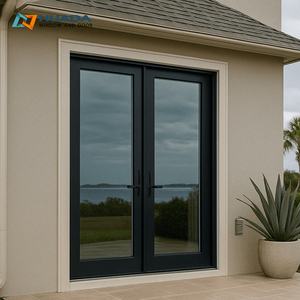
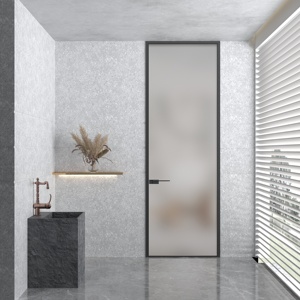
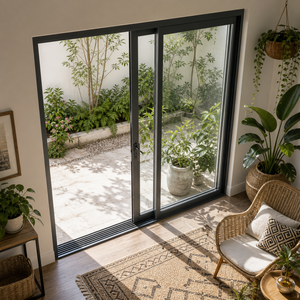
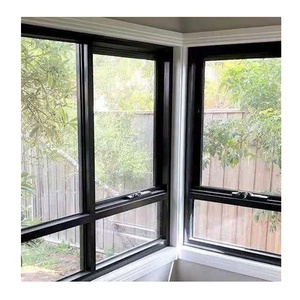
1. Technical Whitepaper: Typhoon & Extreme Climate Engineering for the UAE Fenestration Market
The built environment in the United Arab Emirates (UAE) represents one of the world's most demanding physical landscapes for exterior envelope engineering. Historically characterized by intense solar radiation and hyper-arid desert conditions, the Arabian Gulf region is experiencing an unprecedented climatic shift. The historic weather event of April 2024—which delivered over 250mm of torrential rain within 24 hours accompanied by gale-force winds exceeding 130 km/h—demonstrated that structural fenestration in Dubai, Abu Dhabi, Sharjah, and the coastal Emirates can no longer be designed solely for thermal insulation. They must be engineered to withstand severe cyclonic pressure loads, extreme water penetration, and airborne debris impact.
As a global direct-manufacturer operating a 20,000 m² automated production complex since 1995, Al-Noor Aluminum Windows & Doors Industries LLC engineers architectural aluminum windows and doors specifically tailored for high-wind, high-heat, and saline coastal environments. This whitepaper analyzes the structural engineering parameters, glass matrix selections, surface coating longevity, and regulatory compliance standards mandatory for B2B buyers, facade consultants, real estate developers, and wholesale importers operating within the UAE market.
2. Engineering Metrics: Hurricane Impact & Typhoon Pressure Tolerances
In high-rise residential towers across Dubai Marina or luxury beachfront villas on Palm Jumeirah, exterior window frames face immense positive and negative wind pressures (suck-off force). When localized storm cells hit coastal areas, standard architectural windows suffer from profile deflection, gasket displacement, and catastrophic water ingress through sills.
To prevent frame deformation and seal failure during severe atmospheric depressions, typhoon-resistant aluminum fenestration relies on three crucial structural pillars:
- Heavy-Duty Architectural Aluminum Profiles (Alloy 6063-T6): Extruded profiles feature wall thicknesses ranging from 2.0mm to 3.5mm, providing structural stiffness far exceeding standard commercial windows (1.4mm). The T6 heat treatment enhances tensile strength to ≥205 MPa, preventing permanent sash twist under heavy wind loading.
- Multi-Point Pressure Locking Systems: Standard windows rely on single-latch points. Our typhoon-proof sliding, casement, and bi-fold systems utilize continuous multi-point gear-driven locking pins engineered in collaboration with premium European hardware suppliers (Siegenia, HOPPE, KIN LONG). This compresses the perimeter rubber seals tightly against the aluminum frame, forming a hermetic barrier against driving rain up to 1,500 Pa hydrostatic head pressure.
- Laminated Hurricane Impact Glass (SGP & PVB Interlayers): Utilizing dual-pane and triple-pane configurations with SentryGlas® Plus (SGP) ionoplast interlayers, our glass units withstand severe impact from windborne debris. Even if the outer glass layer shatters under violent storm impact, the tough SGP structural interlayer maintains structural integrity, keeping the interior envelope completely sealed against wind and water penetration.
Engineering Note on Structural Deflection (L/175 vs L/250)
For UAE coastal projects exposed to cyclonic gusts, building engineers specify a maximum deflection limit of L/250 under peak design load. Al-Noor's reinforced mullions incorporate internal steel stiffener bars and thick-walled aluminum chambers, ensuring that under a 4.5 kPa test pressure (equivalent to Class 5 Typhoon / Category 4 Hurricane conditions), mullion deflection remains strictly within civil engineering tolerances.
3. Thermal Engineering for the UAE Desert Climate: Beyond Typhoon Resistance
While typhoon resistance guarantees structural survival, daily operational performance in the UAE demands extreme thermal insulation. Peak ambient summer temperatures in Dubai and Abu Dhabi regularly exceed 50°C, with exterior aluminum frame surface temperatures reaching over 75°C under direct solar radiation. Without high-performance thermal barriers, uninsulated aluminum acts as a thermal bridge, causing massive air conditioning power loss, interior frame "sweating" (condensation), and premature HVAC equipment failure.
Polyamide PA66-GF25 Thermal Break Technology
Al-Noor fenestration systems incorporate multi-cavity Polyamide PA66-GF25 (25% glass-fiber reinforced) thermal break strips. Unlike cheaper PVC isolators that degrade and warp under intense desert UV radiation, PA66-GF25 maintains thermal stability up to 250°C and matches the thermal expansion coefficient of aluminum. This prevents profile delamination during severe day-to-night temperature fluctuations in desert locations like Al Ain and Liwa.
Spectral Solar Control Glazing (Low-E & Argon Gas)
Glass accounts for over 80% of a window opening's surface area. To comply with the UAE's strict energy codes, our typhoon-resistant double and triple-glazed units utilize double-silver and triple-silver Low-E coatings applied to position #2 of the glass assembly. This configuration achieves an extraordinary performance ratio:
U-Value ≤ 1.2 W/m²K
Dramatically restricts heat conduction from the scorching outdoor air into air-conditioned interior living zones, drastically reducing chiller load.
SHGC ≤ 0.20
A low Solar Heat Gain Coefficient blocks over 80% of invisible infrared solar heat while allowing high natural daylight transmittance (VLT > 60%).
Sound Reduction ≥ 42 dB
Asymmetric glass pane thickness (e.g., 8mm outer + 16A + 6mm inner laminated) disrupts acoustic wave harmonics, filtering highway and urban noise.
4. Technical Specification Matrix: Standard vs. Al-Noor Typhoon-Resistant Systems
For project specifiers, architectural consultants, and procurement heads evaluating aluminum suppliers for UAE commercial and residential developments, the following comparative matrix highlights key performance benchmarks:
| Technical Parameter | Standard Commercial Windows | Al-Noor Typhoon-Resistant Systems | UAE Code Compliance Standard |
|---|---|---|---|
| Aluminum Alloy & Temper | 6063-T5 (1.4mm - 1.6mm) | 6063-T6 High-Tensile (2.0mm - 3.2mm) | ASTM B221 / EN 755-2 |
| Structural Wind Load Resistance | 1.5 kPa – 2.0 kPa | 4.5 kPa – 6.0 kPa (Super-Typhoon Grade) | Dubai Municipality / ASTM E330 |
| Water Penetration Resistance | 300 Pa Static Pressure | 1,000 Pa – 1,500 Pa Dynamic Hydrostatic Head | EN 12208 Class E1500 / ASTM E331 |
| Air Infiltration Rate | Level 3 (0.5 m³/m²·h) | Class 4 / Superior Tightness (≤0.05 m³/m²·h) | EN 12207 / NAFS CSA A440 |
| Thermal Transmittance (U-Factor) | 2.8 – 3.5 W/m²K (Unbroken) | 1.1 – 1.4 W/m²K (PA66-GF25 Break) | Estidama Pearl Building Rating (3-Pearl) |
| Surface Coating Longevity | Standard Powder Coating (5-8 Yrs) | Qualicoat Class 2 / PVDF Fluorocarbon (25+ Yrs) | AAMA 2605 Coastal Salt Spray Test |
| Glass Impact Certification | Standard Annealed / Tempered | SGP Laminated Structural Impact Unit | ASTM E1996 Missile Level D / TAS 201 |
5. Localized Application Scenarios Across the Seven Emirates
The geography of the UAE presents localized micro-climates that dictate specialized window and door configurations. Al-Noor custom-engineers every opening to suit the specific architectural and environmental demands of individual project sites across the Emirates:
A. Luxury Coastal Beachfront Villas (Palm Jumeirah, Pearl Jumeira, Saadiyat Island, Ras Al Khaimah)
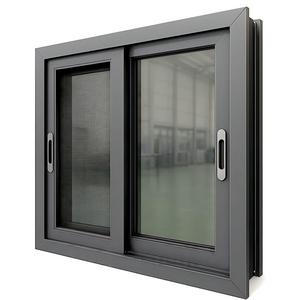
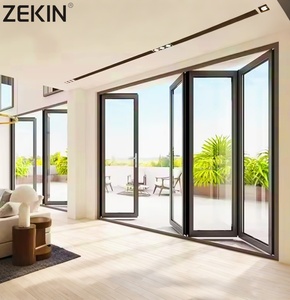
Beachfront structures face continuous marine salt mist, extreme UV exposure, and direct coastal wind forces. Standard iron window fittings corrode rapidly, leading to mechanical jam and sash failure. Al-Noor specifies Qualicoat Class 3 marine-grade PVDF fluorocarbon coatings (resisting 3,000 hours of continuous salt spray testing) paired with 316 surgical stainless steel multi-point locks. Large-span floor-to-ceiling sliding glass doors (Product #1 and Product #2) offer panoramic Gulf views without compromising structural wind resistance.
B. High-Rise Towers & Mixed-Use Facades (Dubai Marina, Downtown Dubai, Business Bay, Al Maryah Island)
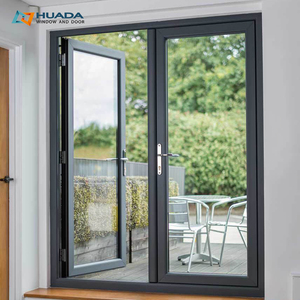
High-rise elevations experience exponential wind pressure increases with height. Windows on the 30th floor and above face extreme suction forces. Al-Noor supplies AS2047-certified commercial heavy-duty casement and awning windows (Product #8) with concealed friction hinges and pressure-equalized internal drainage chambers. These prevent water back-siphonage during wind-driven rain events while maintaining slim architectural sightlines.
C. Desert Estates & Inland Developments (Al Ain, Liwa Oasis, Zayed City)
Inland desert environments experience fine micro-sand infiltration during shamal dust storms, alongside sharp diurnal temperature swings. Traditional window brush seals allow dust accumulation in tracks, causing sliding rollers to jam. Al-Noor integrates multi-barrier EPDM weather-stripping with heavy-duty stainless steel quad-wheel rollers, ensuring smooth track glide and 100% dust seal performance under violent desert windstorms.
6. UAE Market Trends & Green Building Regulatory Compliance (2025–2030)
The UAE fenestration sector is undergoing a rapid evolution driven by government mandates and changing climate dynamics:
- Dubai Green Building Regulations & Specifications (Al Sa'fat): Requires strict solar factor compliance and air leakage thresholds for all new private and commercial building permits. High-efficiency thermal break aluminum profiles are now mandatory to achieve Gold and Platinum Al Sa'fat ratings.
- Abu Dhabi Estidama Pearl Building Rating System: Estidama demands holistic thermal performance. Fenestration systems supplied to Abu Dhabi projects must provide verifiable NFRC or European thermal test certificates proving compliance with 2-Pearl and 3-Pearl energy conservation benchmarks.
- Shift Toward Hurricane-Grade Impact Glazing: Following recent severe atmospheric storm anomalies in the Gulf region, structural engineers and insurance underwriters in Dubai and Abu Dhabi are increasingly specifying ASTM E1996 hurricane impact test standards for ground-floor storefronts, penthouse glazing, and luxury villa envelopes.
7. Manufacturer Competence & Supply Chain Strength: Why Partner with Al-Noor
Sourcing structural aluminum fenestration for major UAE developments requires complete trust in production capacity, quality assurance, and international logistics execution. Operating from a modern 20,000 square-meter production complex, Al-Noor Aluminum Windows & Doors Industries LLC provides an end-to-end manufacturing and engineering service tailored for B2B buyers, wholesalers, and general contractors:
24-Hour Shop Drawing Turnaround
Our engineering department reviews your architectural CAD/BIM drawings, calculates structural wind loads, and returns fully detailed shop drawings and unit specifications within 24 hours.
100% Sample Sign-off Protocol
Nothing enters mass fabrication until the client approves CAD shop drawings and physical profile corner samples, guaranteeing complete alignment with project specifications.
Rigorous In-House Quality Assurance
From raw profile extrusion check to CNC corner crimping, glass unit gas-fill verification, and hardware cycle testing, every unit undergoes unit-by-unit QC inspection prior to packing.
Heavy-Duty Export Crating to Jebel Ali
Units are wrapped in protective polyethylene foam, fitted with reinforced corner guards, and packed into fumigated wooden crates labeled by room/elevation for direct site delivery in the UAE.
8. Frequently Asked Questions by UAE Procurement Managers & Architects
How do typhoon-resistant aluminum windows perform against severe storm events in the UAE like the 2024 floods? +
Typhoon-resistant windows are engineered for atmospheric extremes far exceeding normal rainfall. They feature heavy-wall 6063-T6 aluminum profiles, multi-point compression locks, and pressure-equalized internal drainage channels. During severe storms with high-velocity driving rain (such as the April 2024 Gulf storm), these systems prevent water from siphoning backward into interior walls and floors while withstanding cyclonic wind pressures up to 6.0 kPa without frame deflection.
What test reports and international certifications do Al-Noor windows carry for UAE municipal approvals? +
Our window and door systems hold comprehensive international laboratory test reports, including NFRC energy ratings (U-factor and SHGC), NAFS / CSA A440 structural performance reports, Australian Standard AS 2047 compliance, and CE marking under EN 14351-1. Our factory operates under ISO 9001:2015 quality management systems. Full PDF test documentation is provided for submission to Dubai Municipality, Abu Dhabi Municipality, or Estidama compliance authorities.
Can you manufacture windows to custom architectural drawings and structural CAD sizes? +
Yes. Every order manufactured at Al-Noor is 100% custom-built according to project drawings. We work from your architectural plans, structural opening schedules, and facade elevations. Our engineering team provides marked-up shop drawings, structural mullion calculations, and glass specifications within 24 hours of inquiry. Cutting and fabrication only commence after your formal drawing approval.
How does thermal break technology reduce electricity bills in UAE desert heat? +
Standard aluminum conducts heat rapidly from the outside air into air-conditioned interior spaces. A thermal break window incorporates a low-conductivity Polyamide (PA66-GF25) strip between the inner and outer aluminum extrusions. This break blocks heat conduction, reducing frame thermal transfer by over 60%. Paired with Low-E double or triple solar control glass, this drastically cuts air conditioning load and prevents indoor frame condensation during summer months.
What surface finish is recommended for UAE coastal areas like Palm Jumeirah or Ras Al Khaimah? +
For coastal applications within 5 km of the sea, we strictly recommend Qualicoat Class 2 or Class 3 PVDF (Fluorocarbon) coatings or heavy-duty anodized finishes with a coating thickness of ≥25 microns. These specialized coatings withstand intense salt spray, high humidity, sand abrasion, and harsh UV radiation without chalking, blistering, or fading over decades of exposure.
What is the typical lead time, packing method, and shipping route to UAE ports like Jebel Ali? +
Manufacturing lead time is typically 25 to 35 days from shop drawing sign-off and sample approval, depending on order volume. Products are foam-wrapped, fitted with heavy corner guards, and packed into fumigated sea-freight wooden crates clearly marked by building elevation or room number. Direct ocean freight from our port facility to Jebel Ali Port (Dubai) or Khalifa Port (Abu Dhabi) takes approximately 12 to 18 days.
Partner with a Direct Manufacturer for Your UAE Architectural Projects
Send your project drawings, door/window schedules, or structural engineering requirements today. Our facade engineering team will evaluate your specifications and return a complete technical proposal and factory-direct price quotation within 24 hours.