Tested & Certified Storm-Rated Aluminum Door Systems
Explore our top-tier hurricane-impact, thermal-break bifold, lift-and-slide, and storm swing door systems engineered for extreme weather resilience, high design pressure (DP) capacity, and structural longevity.
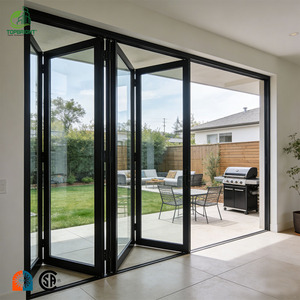
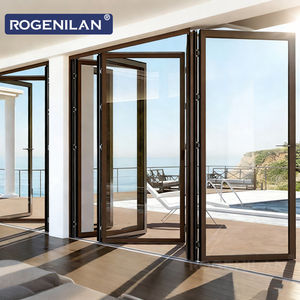
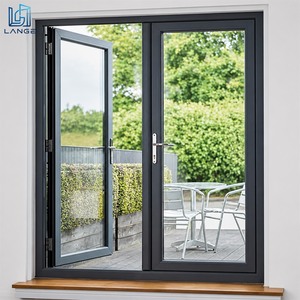
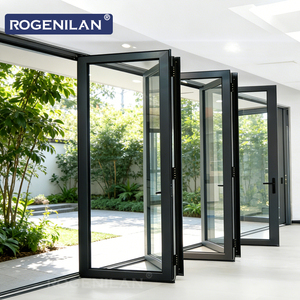
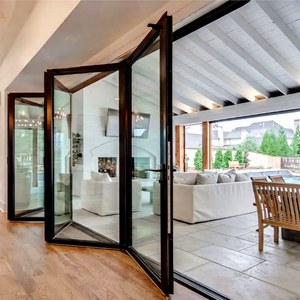
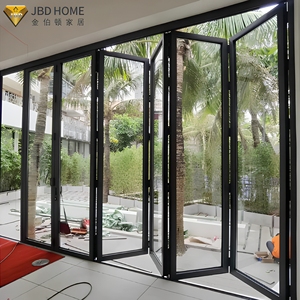
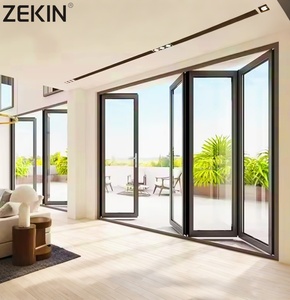
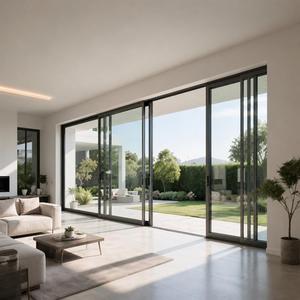
Navigating High-Performance Aluminum Storm Door Procurement
In modern architectural engineering and commercial project procurement, sourcing top trusted aluminum storm doors manufacturers requires going far beyond basic aesthetic evaluations. As coastal weather events increase in frequency and intensity, building envelope engineers, project developers, and architectural specifiers face stringent structural, thermal, and dynamic load requirements. Aluminum storm doors act as the primary structural defense for high-end residential villas, resort complexes, and commercial façades, balancing high-impact wind-borne debris protection with refined structural aesthetics.
Aluminum storm doors engineered for global markets must reconcile two historically opposing design objectives: **maximum glass transparency** and **rigorous structural resilience**. Achieving high Design Pressure (DP) ratings, water tightness under driving cyclonic rains, and thermal efficiency (low U-factors) demands precision extrusions using 6063-T6 or 6060-T66 structural aluminum alloys, polyamide thermal breaks, multi-point storm locking mechanisms, and advanced laminated safety glazing.
Key Takeaway for B2B Procurement Officers
A certified storm door manufacturer must provide fully traceable structural calculations, mill certificates for T6 heat-treated alloys, independent test laboratory reports (NFRC, CSA, CE, AS 2047, ASTM E1886/E1996), and exact 24-hour CAD/BIM shop drawing turnarounds. Sourcing directly from an established OEM facility ensures cost efficiency, custom profile batching, and compliance with stringent local building codes.
Architectural & Manufacturing Development Trends in Aluminum Storm Doors
The global glazing market has experienced a paradigm shift toward integrated, multi-functional fenestration systems. The following key structural and material development trends define next-generation aluminum storm door manufacturing:
Hurricane Impact Glazing & Interlayer Tech
Modern storm doors utilize SentryGlas® (SGP) or specialized PVB interlayers bonded between dual tempered glass panes. SGP interlayers offer 5 times the tear strength and 10 times the stiffness of traditional PVB, preventing breach even under severe wind-borne debris strikes (ASTM E1996 Large Missile Level D/E).
Advanced Polyamide Thermal Breaks
To combat thermal bridging in cold or tropical climates, top manufacturers integrate PA66GF25 (25% glass fiber reinforced polyamide) structural break strips into profile series like the TY120, TY150, and PRO110. This achieves thermal U-factors below 0.28 BTU/h·ft²·°F while maintaining structural shear resistance.
Multi-Point Heavy-Duty Locking
Storm pressure differentials generate massive structural suction on door leaves. Modern aluminum storm doors incorporate 5-point to 7-point gear-driven shoot-bolt locking mechanisms connected to heavy-duty stainless steel 304/316 hinges and stainless steel top/bottom tracks to withstand static pressures up to 100 PSF.
Fluorocarbon (PVDF) Finish Coatings
Coastal salt air, high UV exposure, and sand abrasion rapidly degrade standard powder coatings. Premier manufacturers apply AkzoNobel or PPG Kynar 500® PVDF fluorocarbon coatings (AAMA 2605 compliant) providing 20+ years of chalking resistance, color retention, and salt-spray resistance exceeding 3,000 hours (ASTM B117).
System Engineering & Testing Performance Matrix
Compare the core engineering parameters across our primary thermal-break storm aluminum door platforms (TY120, TY150, and PRO110) engineered for luxury residential, resort, and commercial applications.
| Profile Series Platform | Primary Door Configuration | Structural DP Rating | Wind Load Resistance | Air & Water Infiltration | Glazing Thickness Options | Global Certification |
|---|---|---|---|---|---|---|
| PRO110 Series | Heavy-Duty Casement / Swing Storm Door | DP55 - DP75 | Up to 3,600 Pa | Water: 700 Pa Air: < 0.1 m³/m·h |
28mm - 38mm Double / Triple IGUs | CE EN 14351-1, CSA A440, NFRC |
| TY120 Series | Narrow-Stile Heavy Bifold Storm Door | DP50 - DP65 | Up to 3,100 Pa | Water: 500 Pa Air: < 0.3 m³/m·h |
24mm - 32mm Laminated Low-E | AS 2047, ISO 9001:2015, CE |
| TY150 Series | Ultra-Panoramic Lift & Slide Patio Storm Door | DP60 - DP80 | Up to 4,200 Pa | Water: 750 Pa Air: < 0.08 m³/m·h |
32mm - 42mm SGP Laminated IGUs | Florida Building Code (TAS 201/202/203) |
| Custom Commercial Façade | MonuMetal Custom Pivot & Storefront Entry | DP70 - DP100+ | Up to 5,000+ Pa | Engineered per Job Site Specs | Custom Bullet & Impact Glazing | Intertek Tested, ASTM E1886/E1996 |
Future Global Procurement Trends in Aluminum Glazing Systems
As commercial developers, architectural procurement directors, and importers optimize their supply chains for 2025–2030, several macro sourcing strategies are defining how buyers select top trusted aluminum storm doors manufacturers:
1. Environmental Product Declarations (EPDs) & Low-Carbon Aluminum Sourcing
Global green building standards (LEED v4.1, BREEAM, and EU Green Deal directives) now heavily reward projects specifying low-carbon aluminum extruded using renewable hydro-electric power. Leading manufacturers provide third-party verified EPDs documenting recycled content rates (utilizing post-industrial 6063 aluminum) and embodied carbon metrics per square meter of finished fenestration.
2. Off-Site Prefabrication & Job-Site Ready Unitized Assembly
Shortages of skilled job-site labor in North America, Australia, and Europe are pushing contractors toward pre-glazed, factory-assembled storm door units. Future procurement models favor manufacturers capable of complete factory assembly, pre-hung hardware calibration, laser level frame alignment, and crate-by-crate elevation marking. This reduces field installation labor costs by up to 60%.
3. Direct Factory CAD/BIM Integration & Rapid Digital Prototyping
The traditional multi-tier distribution model (Manufacturer → Exporter → Wholesaler → Retailer) incurs significant markup and communication lag. Modern B2B sourcing relies on direct engineering communication with the OEM factory floor. Importers send DWG/BIM drawings directly to the factory, receiving stamped CAD shop drawings, glass stress analysis, and structural wind load verifications within 24 hours.
4. Supply Chain Transparency & Robust Export Crating Logistics
Heavy architectural glass and thermal aluminum extrusions require specialized export packaging to eliminate transit breakage and corrosion during ocean freight. Preferred manufacturers utilize heat-treated, ISPM 15 compliant fumigated wooden crates with inner polyethylene foam encapsulation, desiccant packs, and steel strap reinforcing designed for direct crane or forklift unloading on high-rise or villa sites.
Why Global Projects Partner with Al-Noor Windows & Doors
Operating from a state-of-the-art **20,000 square meter** integrated production facility, **Al-Noor Aluminum Windows & Doors Industries LLC** has served as a premier OEM/ODM manufacturer for custom thermal-break aluminum windows, storm doors, skylights, and sunrooms since **1995**, exporting to over **60 countries** worldwide.
Precision CNC Fabrication
Equipped with multi-axis automated CNC cutting centers, corner crimping machines, and digital milling, ensuring frame miters meet sub-millimeter tolerances for flawless weather seal compression.
24-Hour Drawing Markups
Our in-house facade engineering team converts architectural architectural plans into detailed shop drawings, structural calculations, and installation guides within 24 hours.
Rigorous Multi-Code Compliance
Full product test documentation available, including **NFRC** energy ratings, **NAFS/CSA A440** North American structural standards, **AS 2047** Australian wind load compliance, **CE EN 14351-1**, and **ISO 9001:2015** quality assurance.
Project-Phased Container Loading
Units are crated and labeled by room, floor, or building elevation, matching your site construction program to eliminate sorting confusion during installation.
Essential FAQs for Architectural Aluminum Storm Door Buyers
Get authoritative answers directly from our senior facade engineering team regarding structural loads, climate glazing specifications, testing certifications, and international shipping protocols.
What structural design pressure (DP) rating is required for hurricane storm doors?
How do thermal-break storm doors prevent energy loss and frame sweating?
What is the difference between PVB and SGP interlayers in hurricane storm glazing?
Can you manufacture aluminum storm doors to our custom architectural CAD shop drawings?
How are high-end aluminum storm doors protected during long-distance ocean shipping?
Which international certifications and test reports do you supply for project sign-off?
What hardware finishes are recommended for coastal marine environments?
Ready to Source High-Performance Aluminum Storm Doors?
Send us your drawings, opening schedules, or engineering specifications. Our facade technical experts will deliver a comprehensive project estimate, glass analysis, and shop drawing proposal within 24 hours.