Featured Architectural & Cabinetry Glazing Systems
Factory-direct custom extruded profiles, thermal-break aluminium systems, and specialized door solutions for high-end residential and commercial procurement.

ODM Casement Aluminum Doors & Windows
Corrosion-resistant 6063-T5 profile system featuring multi-point locking mechanisms, extreme weather sealing, and zero-maintenance powder finishes ideal for coastal villas.
Contact Us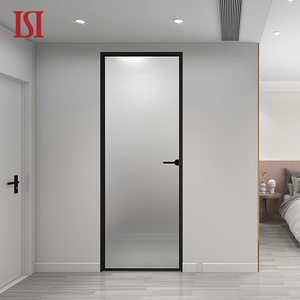
Modern Graphic Design Interior Casement Door
High-end architectural custom interior doors designed for bedrooms, luxury kitchens, and modern residential partitions with sound-dampening perimeter gaskets.
Contact Us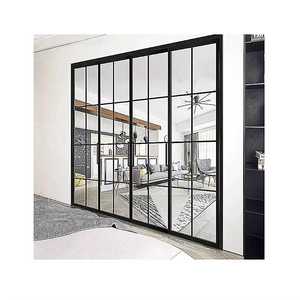
Aluminum Alloy Double Glass Bi-Fold Door System
Accordion-style folding door integrating heavy-duty stainless steel top-hung rollers, dual glass panes, and retractable integrated insect screens for modern open kitchen setups.
Contact Us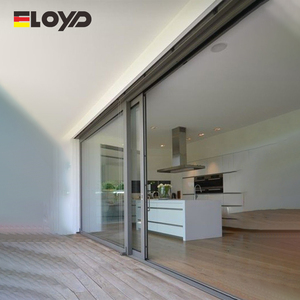
Australian Standard Double Glazed Sliding Door
Complying with AS2047 structural and wind load testing. Engineered with thermal break extrusions, Low-E tempered double glazing, and smooth whisper-quiet bottom tracks.
Contact Us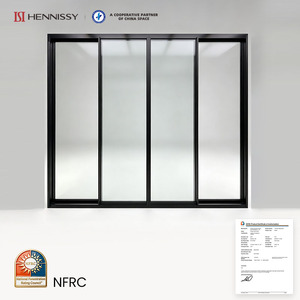
NFRC Certified Thermal Break Sliding Glass Door
U-value 1.7 high-efficiency insulated framing certified for North American green building standards. Premium airtight seals prevent HVAC energy loss in extreme climates.
Contact Us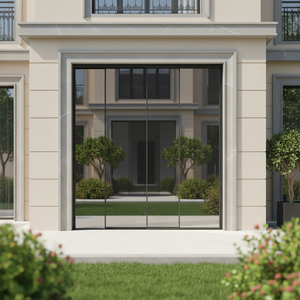
RG40 Ultra-Slim Aluminum Interior Sliding Door
Minimalist 16mm narrow sightline profile designed for contemporary kitchen cabinet enclosures, pantry dividers, and sleek interior spatial transitions.
Contact Us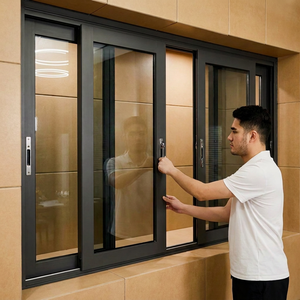
Aluminium Balcony & Kitchen Sliding Frame System
Versatile architectural glazing system designed for multi-family residential towers and commercial apartment kitchens requiring high structural integrity and water tightness.
Contact Us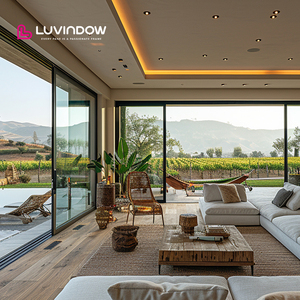
Hurricane-Proof Aluminum Lift & Slide Door
Heavy-duty structural lift-and-slide mechanism engineered for ultra-large panel spans. Wind-pressure resistant design fitted with high-security German gear hardware.
Contact UsEnterprise Manufacturing Rigor & OEM/ODM Superiority
Why leading global developers, kitchen distributors, and architectural procurement agencies partner directly with our 20,000m² manufacturing hub.
Integrated Extrusion & Anodizing Lines
Operating dedicated extrusion presses utilizing virgin 6063-T5 aluminum billets. In-house anodizing, electrophoretic deposition, and AkzoNobel fluorocarbon powder-coating guarantee uniform surface film thickness (>15μm) resistant to kitchen grease and acidic vapor.
Global Testing & Compliance Standards
Our systems undergo stringent third-party testing validated by CE Marking (EN 14351-1), CSA Certification, NFRC thermal metrics, and Australian AS 2047 standard compliance. Every order is fully traceable from alloy melt number to final crating.
Zero-Formaldehyde Structural Engineering
Unlike traditional MDF or HDF cabinet doors susceptible to formaldehyde off-gassing and moisture swelling, our 100% recyclable metallic alloy structures provide permanent moisture immunity, fire resistance Class A, and zero indoor VOC contamination.
Engineering Material Science: Extrusion Alloys & Surface Finishes
A technical evaluation of why extruded aluminum alloys outclass traditional timber and composite cabinet doors in humid, high-use culinary environments.
In commercial kitchen installations and modern residential cabinetry, cupboard door failure is primarily driven by three micro-environmental factors: hygroscopic swelling from steam, chemical degradation caused by volatilized cooking oils, and mechanical fatigue at frame hinge attachments.
To solve these vulnerabilities, our engineering team utilizes prime alloy grade AA6063-T5, aged artificially to achieve a minimum Webster hardness of 12 HW. The structural profile architecture incorporates internal corner cleats cold-crimped under pneumatic pressure, preventing frame misalignment even after decades of continuous cyclic thermal load (5°C to 85°C).
For surface protection, our advanced multi-pass treatment protocol includes alkali degreasing, acid etching, micro-chromating, and electrostatic powder application or vacuum wood-grain thermal transfer printing. This creates an impermeable, inert barrier that resists salt spray up to 1,000 hours (ASTM B117 standard) and withstands household cleaning agents without color degradation or surface micro-cracking.
Comparative Analysis: Cabinet Door Substrates
Technical evaluation parameters relevant to B2B project developers, hotel procurement officers, and interior contractors.
| Performance Metric | Extruded Aluminium (AA6063-T5) | MDF / HDF Board | Solid Timber | PVC / Melamine Foil |
|---|---|---|---|---|
| Moisture & Steam Immunity | 100% Waterproof / Zero Swelling | High Swelling Risk (>12%) | Moderate Warping / Shrinkage | Edge-Band Delamination Risk |
| Formaldehyde & VOC Off-gassing | Zero (E0 / Green Building Standard) | Variable (Requires E1/E0 glue) | Low (Natural / Varnish dependent) | Moderate Plasticizer VOCs |
| Fire Retardancy Rating | Class A1 Non-Combustible | Combustible (Class B2/B3) | Combustible (Class B2) | Combustible (Toxic smoke) |
| Structural Tensile Strength | > 200 MPa Yield Strength | Low Tensile Strength | Anisotropic Anisotropy | Low Surface Impact Resistance |
| Expected Product Lifecycle | 30+ Years Maintenance-Free | 3 to 7 Years Average | 10 to 15 Years (Needs recoating) | 5 to 8 Years |
| Recyclability & Circular Economy | 100% Infinitely Recyclable | Non-Recyclable Landfill | Biodegradable | Difficult Non-Sortable Waste |
Future Procurement Trends: Aluminium Cabinetry & Door Systems
Strategic insights for procurement directors aligning supply chains with green building codes, modular offsite construction, and modern design aesthetics.
1. Ultra-Narrow Sightlines & Flush Integration
Architectural demand is shifting aggressively toward invisible, concealed aluminium framing with edge-to-edge tempered glass or metallic inlay panels. Bezel profiles under 18mm with integrated 3D micro-adjustable hinges dominate ultra-luxury residential projects worldwide.
2. ESG & Carbon Neutrality Requirements
Global real estate developers face strict carbon audits. Sourcing aluminium cupboard doors extruded using clean-energy hydro-electric smelters reduces Scope 3 embodied carbon emissions, satisfying LEED, BREEAM, and WELL certification mandates.
3. Flat-Pack Modular Export Engineering
To mitigate elevated international logistics costs, next-generation aluminium kitchen cabinet systems feature knock-down (CKD) precision profile framing. Rapid snap-lock corner joinery enables high-density container packing, cutting overseas freight costs by up to 40%.
Step-by-Step OEM/ODM Manufacturing & Quality Control Protocol
From initial shop drawing sign-off to overseas container loading: How we ensure zero site discrepancies.
Frequently Asked Questions: Global Procurement & Custom Engineering
Direct technical answers addressing common inquiries from overseas wholesalers, architects, and project managers.
What is the minimum order quantity (MOQ) for custom extruded kitchen door profiles?
For standard stocked surface finishes (e.g., Anodized Matt Black, Brushed Gold, Anodized Silver), our MOQ starts as low as 100 sets. For custom profile die extrusion development, die setup fees are waived for volume orders exceeding 3 metric tons, with full CAD engineering sign-off delivered within 3 business days.
How do aluminium kitchen doors perform in extreme tropical or high-humidity coastal climates?
Aluminium is inherently immune to moisture oxidation and biological decay. Our products undergo an extra layer of micro-seal anodizing or marine-grade fluorocarbon (PVDF) coating, certified to withstand harsh salt fog environments without bubbling, flaking, or chalking under direct exposure.
Can your profiles integrate with hardware from Blum, DTC, Hettich, or Salice?
Yes. Our extrusion channels are pre-milled and CNC-machined according to universal standard hardware template geometry. Whether specifying concealed soft-close hinges, push-to-open touch latches, or integrated horizontal glass clips, we guarantee millimeter-accurate hardware alignment.
What certifications and test documentation do you supply with commercial bulk orders?
Depending on destination market requirements, we provide comprehensive documentation packs including Mill Test Certificates (MTC) verifying AA6063 alloy chemistry, ISO 9001:2015 Quality Management reports, CE marking declarations, NFRC thermal metrics, and SGS/Intertek salt spray inspection certificates.
How are fragile glass-infilled cupboard doors packed to prevent export transit damage?
Glass-infilled panels utilize fully tempered safety glass (BS 6206 / ANSI Z97.1 standard). Individual doors are wrapped in anti-static PE film, encased in high-density EPE foam corners, and packed into reinforced fumigated plywood cases with internal air-cushioning designed for heavy sea freight container handling.
What is the typical lead time from drawing approval to port dispatch?
Standard production cycles take 15 to 25 days following shop drawing approval and deposit receipt. Express production schedules can be arranged for time-sensitive commercial hotel fit-outs or phased multi-family housing developments.