Engineered Moisture Barrier Systems for High-Humidity Architectural Environments
Bathroom fenestration presents one of the most rigorous design challenges in modern residential and commercial architecture. Unlike standard exterior openings, modern wet-room fenestration must simultaneously handle extreme internal humidity, severe micro-condensation, strict privacy demands, and aggressive external wind-load dynamic forces. As a premier China Aluminum Bathroom Windows Manufacturer and Global Exporter, our manufacturing facility produces structural 6063-T5 profile systems certified to international performance standards including ISO 9001:2015, CE EN 14351-1, NFRC, and AS 2047.
This procurement guide delivers deep technical insights into aluminum alloy selection, multi-barrier EPDM weatherstripping, thermal break polyamides (PA66-GF25), acoustic damping glass configurations, and electrochromic privacy glazing. Designed for architects, commercial developers, and regional distributors, this paper outlines the exact engineering parameters required to eliminate frame corrosion, prevent interstitial mold growth, and optimize energy efficiency in high-humidity zones.
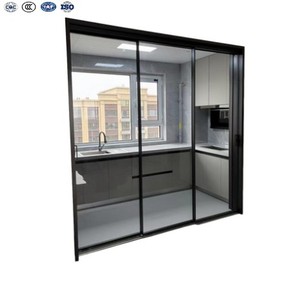
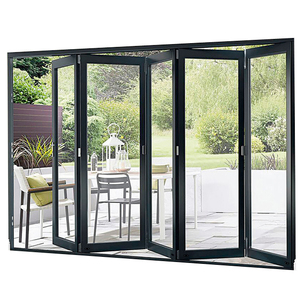
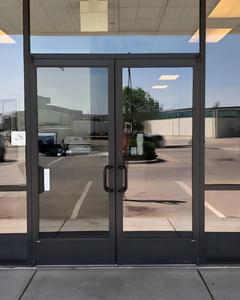
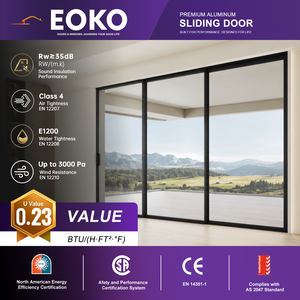
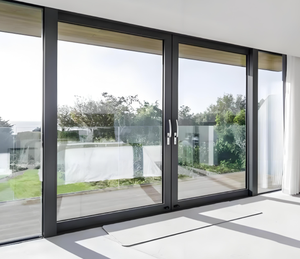
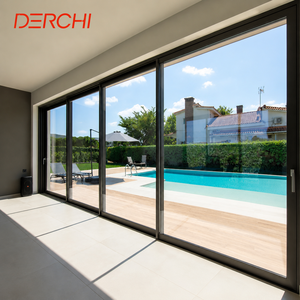
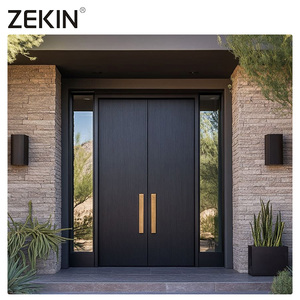
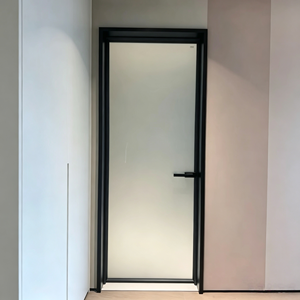
Featured Aluminum Window & Door Systems for Bathrooms and Interiors
Explore our engineered system lineup, manufactured with specialized moisture-draining tracks, anti-corrosive hardware, and custom privacy glazing configurations.
1. Material Engineering: Aluminum Alloys & Surface Metallurgy for Wet Zones
The structural longevity of a bathroom window operating in continuous high-humidity environments hinges on alloy chemistry and protective coating specifications. Standard architectural specifications often overlook micro-climatic corrosion inside moisture-saturated rooms where chemical cleaners, steam, and soaps are present.
6063-T5 Extrusion Alloys
We utilize 6063-T5 primary aluminum ingots with strict silicon-to-magnesium ratios (0.2-0.6% Si, 0.45-0.9% Mg). T5 heat treatment delivers optimal tensile strength (≥160 MPa) and yield strength (≥110 MPa), resisting deflection under wind loads while permitting precision miter-joint assembly.
Anodizing & Fluorocarbon Coating
For extreme wet environments, profiles undergo electro-anodization exceeding Class 15 standards (≥15μm oxide film) or PVDF (Polyvinylidene Fluoride) 3-coat spraying (>40μm). This prevents intergranular corrosion and surface blistering caused by prolonged moisture contact.
PA66-GF25 Thermal Insulation
Our thermal break aluminum systems integrate 25% glass fiber reinforced Polyamide 66 (PA66-GF25) thermal struts. This reduces thermal conductivity across the profile frame, preventing the interior profile surface from reaching dew-point temperature during hot showers.
Engineering Comparison: Standard vs. Bathroom-Grade Aluminum Windows
| Performance Feature | Standard Commercial Window | Al-Noor Architectural Bathroom Window | Engineering Benefit |
|---|---|---|---|
| Alloy & Temper | Recycled 6063-T5 / T6 mixed | 100% Primary Aluminum 6063-T5 | Eliminates structural impurities and premature oxidation |
| Water Tightness (EN 12208) | Class 4A (≥ 150 Pa) | Class E900 (≥ 900 Pa) Pressure Chamber Draining | Zero water penetration during severe storms & indoor spraying |
| Thermal Break Struts | PVC / Low-grade Nylon | PA66-GF25 (25% Glass-Fiber Polyamide) | Matching expansion coefficient with aluminum; zero delamination |
| Weather Gaskets | Standard PVC / Rubber | Co-extruded Dual-Density EPDM Continuous Loop | 30-year resistance to steam degradation, cleaning chemicals & UV |
| Glass Cavity Sealing | Single-Seal Polysulfide | Dual-Seal Structural Silicone + Warm-Edge Spacer | Prevents internal fogging and gas leakage in humid zones |
2. Hydro-Engineering & Drainage System Integration
Effective drainage is the primary defense against internal moisture build-up in modern bathroom windows. Standard weep holes often fail under wind-driven rain or continuous splash pressure, allowing water to back-up into the internal sub-frame profile cavity.
Our factory-engineered bathroom windows incorporate a multi-chamber pressure equalization drainage system. By equalizing the air pressure inside the profile's internal chamber with external atmospheric pressure, gravity flows condensation and splash water through concealed downward-draining channels.
Structural Drainage & Sealing System Architecture
3. Future Sourcing & Technology Trends in Bathroom Glazing (2025–2030)
As global building energy codes tighten (e.g., EU Energy Performance of Buildings Directive, US ASHRAE 90.1-2022), the specification criteria for bathroom fenestration are shifting rapidly. B2B importers, real estate developers, and contract procurement directors must prepare for several key structural shifts over the next five years:
Electrochromic Smart Privacy Glazing
Transitioning from mechanical blinds and traditional frosted film, polymer-dispersed liquid crystal (PDLC) switchable glass allows instant transition from clear transparency to total privacy (<0.1 sec) via wall switches, remote controls, or automated smart home systems.
Integrated Micro-Ventilation Awning Systems
Modern hotel and residential designs are moving toward top-hung micro-ventilation hardware. This enables continuous passive moisture extraction even during heavy downpours, preventing indoor air humidity from exceeding the critical 60% threshold without compromising building security.
Decarbonized Low-Carbon Aluminum Sourcing
International developers now demand verified Environmental Product Declarations (EPDs). Sourcing aluminum extruded with hydro-electric power reduces embodied carbon emissions from ~18 kg CO2e/kg to under 4.0 kg CO2e/kg, helping projects achieve LEED v4.1 and BREEAM certifications.
Why Partner With Our Factory for Global OEM/ODM Procurement?
Operating from a state-of-the-art 20,000 m² manufacturing plant, Al-Noor Aluminum Windows & Doors Industries LLC combines precision CNC fabrication with rigorous international testing standards.
24-Hour Shop Drawing Turnaround
Our in-house facade engineering team processes client CAD/BIM architectural drawings, returning marked-up shop drawings, structural wind-load calculations, and system section details within 24 hours.
Unitized Export Sea-Crating
Every window unit undergoes pre-assembly testing before being wrapped in protective film, fitted with impact-resistant corner guards, and secured inside fumigated wooden crates structured for crane or forklift site unloading.
Strict Quality Assurance & Testing
Every batch undergoes rigorous factory acceptance testing (FAT), including water-tightness pressure spraying, thermal cycle testing, hardware cycle testing (20,000 operations), and coating adhesion cross-hatch checks.
Frequently Asked Questions for Commercial Buyers & Importers
Direct answers regarding technical specifications, custom fabrication, export documentation, and order minimums.
What aluminum alloys are recommended for coastal bathroom installations?
For coastal or high-salinity locations, we specify 6063-T5 aluminum extrusions treated with a Qualicoat Class 2 powder coating or a ≥25-micron anodized finish. Additionally, we use 316 stainless steel hardware components to completely eliminate salt-spray corrosion and oxidation.
How do you ensure zero water leakage in heavy rain or shower splash conditions?
Our systems utilize pressure-equalized internal chambers, continuous vulcanized EPDM triple gaskets, and hidden downward drainage outlets. This setup ensures water is driven out by gravity and atmospheric pressure rather than forced inward by external wind load.
Can you manufacture bathroom windows to match exact architectural CAD drawings?
Yes. We specialize in custom OEM/ODM production. Our technical engineering office converts client structural drawings into production-ready shop drawings. Profiles are CNC-mitered and machined with tolerances under ±0.5mm.
What glass options provide optimal privacy while maintaining light transmission?
We provide low-iron acid-etched frosted glass, fluted/reeded architectural glass, double-glazed units with integrated magnetic louvers, and electronic PDLC switchable smart glass that toggles between opaque and transparent modes instantly.
Which export certifications do your window and door systems possess?
Depending on system selection, our products are certified to CE EN 14351-1 (Europe), NFRC thermal standards (USA), NAFS/CSA A440 (North America), and AS 2047 structural requirements (Australia), backed by an ISO 9001:2015 quality management framework.
What is the typical production lead time for container-load B2B orders?
Standard production time is 25 to 35 days from final shop-drawing approval and deposit confirmation. Accelerated production schedules can be arranged for time-sensitive commercial hotel or residential development projects.
Start Your Custom Aluminum Window Order Today
Connect directly with our engineering sales department to request technical catalogs, system section CAD files, physical sample boxes, or factory-direct pricing quotes.