Featured Export-Grade Aluminium Windows & Doors
Factory-direct thermal break and structural architectural glazing engineered for commercial contractors, villa developers, and international importers.
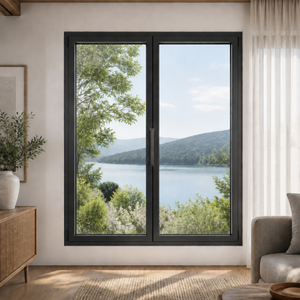
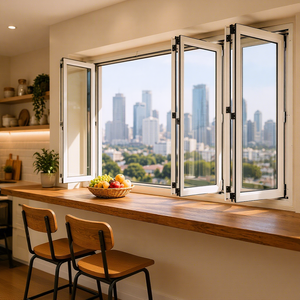
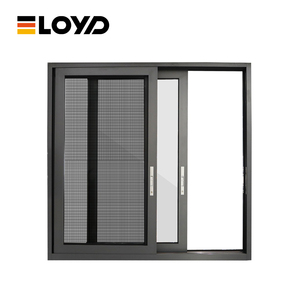
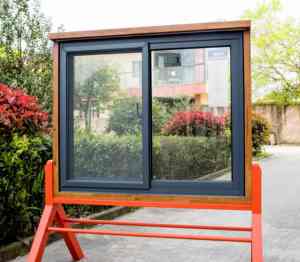
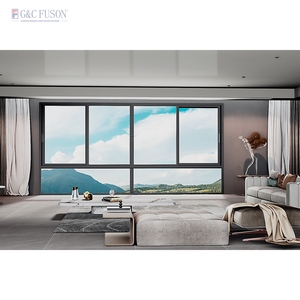
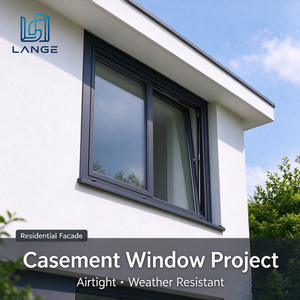
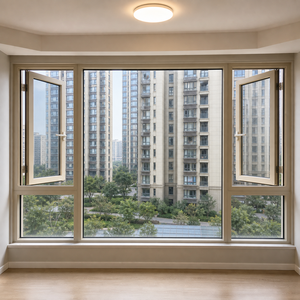
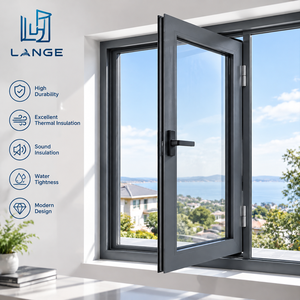
Executive Summary: Navigating China Aluminium Windows Sourcing
The global architectural fenestration market has experienced a fundamental shift toward high-performance, thermal-break aluminium window systems. As general contractors, commercial developers, and regional distributors look to optimize procurement costs, sourcing directly from top-tier Chinese factories has become an industry standard. However, evaluating China aluminium windows prices requires a rigorous understanding of profile alloy metallurgy, thermal break polymer engineering, surface treatment longevity, and certified structural performance under regional building codes (such as North American NFRC/CSA, European CE EN 14351-1, and Australian AS2047 standards).
This technical whitepaper provides an end-to-end breakdown of B2B pricing mechanisms, manufacturing cost drivers, thermal design innovation, and future market trajectories. Powered by Al-Noor Aluminium Windows & Doors Industries LLC—a leading Chinese manufacturer with over 28 years of export excellence—this guide equips commercial buyers with the information gain required to procure precision-engineered glazing systems at competitive direct-from-factory rates.
Comprehensive Price & Cost Breakdown of China Aluminium Windows
B2B pricing for export-grade aluminium windows in China typically spans between $65/m² to $350+/m² EXW/FOB. Understanding why prices vary dramatically between low-tier suppliers and high-end certified OEMs requires examining the core manufacturing cost centers:
Aluminium Alloy & Extrusion Wall Thickness
Primary raw material costs track the Shanghai Metals Market (SMM) A00 ingot price. Premium export profiles utilize 6063-T5 or 6063-T6 primary aluminum billets. Wall thicknesses range from standard 1.4mm (residential casement) to 2.0mm–3.0mm (heavy-duty structural sliding doors and high-rise curtain walls).
Thermal Break Strips: PA66 vs. PVC
The thermal barrier is the structural bridge insulating indoor and outdoor profiles. Premium factories use Technoform or domestic PA66-GF25 (Polyamide 66 with 25% fiberglass reinforcement). Budget vendors often substitute PVC strips, which deteriorate under UV exposure and lead to seal failure.
Architectural Glass Packages
Glass represents 40%–60% of total unit cost. Configurations vary from standard double-glazed Insulated Glass Units (5mm + 12A + 5mm) with clear tempered glass to high-performance triple Low-E, Argon-filled, and SGP laminated hurricane impact glass (e.g., 6mm + 1.52SGP + 6mm).
Below is a standardized B2B wholesale pricing benchmark matrix categorized by window operational mechanism, structural performance class, and typical export applications:
| Window / Door Configuration | Profile Spec & Thermal Break | Glass Configuration | Est. FOB Price Range (USD/m²) | Target Application |
|---|---|---|---|---|
| Standard Sliding Window (RG81.4) | 1.4mm Aluminium 6063-T5 (Non-Thermal) | 5mm + 9A + 5mm Tempered Double Glazed | $65 - $95 / m² | Multi-family Apartments, Budget Housing |
| Thermal Break Sliding Window (TY120) | 1.4mm - 1.6mm Profile, PA66 Nylon Strip | 5mm + 12A + 5mm Low-E Double Glazed | $95 - $145 / m² | Residential Homes, Mid-rise Commercial |
| Heavy-Duty Villa Casement Window | 1.8mm - 2.0mm Profile, Integrated Flyscreen | 5mm + 14A + 5mm Low-E Argon Filled | $130 - $190 / m² | Luxury Villas, Private Residences |
| Vertical & Horizontal Folding Windows | 2.0mm Heavy Structural Aluminum Frame | 6mm + 12A + 6mm Tough Glass | $150 - $220 / m² | Commercial Storefronts, Restaurants, Patios |
| Hurricane Impact Casement Window | 2.0mm structural frame, Steel Reinforcement | 6mm + 1.52SGP Laminated + 12A + 6mm | $220 - $350+ / m² | Coastal High-Velocity Hurricane Zones (HVHZ) |
Enterprise Infrastructure: Al-Noor Advantage & Manufacturing Rigor
Operating a 20,000 square meter state-of-the-art production facility, Al-Noor Aluminium Windows & Doors Industries LLC stands at the forefront of precision architectural fabrication. Direct factory sourcing with Al-Noor bridges the gap between low factory production overheads and strict international engineering compliance.
CNC Machining & Precision Assembly
Utilizing automated double-head cutting saws and 4-axis CNC machining centers, profile notchings, hardware recess slots, and corner crimpings achieve micron-level accuracy, ensuring zero air-leakage at corner joints.
In-House Surface Finishing
Profiles are treated with certified fluorocarbon PVDF coatings (3-coat AkzoNobel or PPG coatings resistant to salt-spray and fading for 20+ years) or anodized finishes up to 25µm film thickness for extreme coastal environments.
Custom Engineering & CAD/BIM Support
Our engineering team reviews client architectural drawings, returning fully marked-up shop drawings and submittals within 24 hours. No profile is cut until CAD drawings and physical sample mockups are formally signed off.
Future Procurement Trends in Aluminium Glazing (2025–2030)
As international energy codes become increasingly stringent and architectural aesthetics shift toward minimalist spatial integration, global buyers must align their procurement strategies with four dominant industry megatrends:
1. Ultra-Narrow Sightline Minimalist Systems: Modern architectural luxury favors invisible frames and maximum daylight transmission. Manufacturers in China are advancing ultra-slim sliding door profiles with interlocking sightlines as thin as 21mm, capable of supporting individual panel weights exceeding 400kg through heavy-duty stainless steel track roller systems.
2. Low-Carbon Recycled Aluminium & Decarbonization: Driven by European Green Deal mandates and global LEED rating systems, leading exporters are adopting low-carbon aluminum billets produced via hydroelectric power and incorporating up to 75% recycled scrap content. Utilizing Environmental Product Declarations (EPD) is rapidly becoming a mandatory requirement for bidding on tier-1 commercial developments.
3. Advanced Thermal & Vacuum Glazing Integration: While traditional double Low-E units achieve U-values around 1.4 - 1.8 W/m²K, next-generation thermal break frames paired with Vacuum Insulated Glass (VIG) can achieve U-values under 0.6 W/m²K—equaling the thermal performance of solid brick masonry while remaining ultra-thin.
4. Smart Automation & Multi-Lock Security Integration: Motorized opening mechanisms integrated with smart home building management systems (BMS), finger-print access control, and automated rain sensors are moving from niche luxury requests into standard commercial specifications.
Frequently Asked Questions (FAQ) for Overseas Buyers & Importers
How do I ensure Chinese aluminum windows comply with local building codes (NFRC, AS2047, CE)?
Reputable manufacturers work with accredited third-party labs like Intertek, CSA, and SGS. Request official PDF test reports matching the specific profile series you are buying. Al-Noor provides complete test documentation for NFRC thermal performance, NAFS structural wind pressure, AS2047 air infiltration/water resistance, and CE EN 14351-1 compliance.
What is the typical manufacturing lead time for custom container orders?
Once shop drawings and color sample panels are signed off, standard production lead time is 25 to 35 calendar days. Complex custom extrusion dies or specialized SGP laminated impact glass packages may extend lead times by 10 to 15 days.
How are heavy glass products protected against breakages during sea freight?
Export packaging uses a multi-layer protective protocol: inner protective film wrap, impact-absorbing foam corner guards, heavy-duty cardboard wrapping, and fully enclosed IPPC-stamped fumigation-free plywood crates. Crates are loaded onto container tie-down tracks according to a pre-engineered weight distribution plan.
Can I request custom hardware branding or specific European hardware (Siegenia, Roto, HOPO)?
Yes. As an OEM exporter, Al-Noor offers hardware customization. We maintain direct supply agreements with top European hardware manufacturers like Siegenia and Roto, as well as premium Asian hardware brands like HOPO and Kin Long, allowing buyers to specify hardware based on budget and market preference.
What is the minimum order quantity (MOQ) for direct factory pricing?
For standard profile stock colors (e.g., Matt Black, White, Anthracite Grey), our MOQ starts at just 50 square meters, making it accessible for high-end residential private villas. For custom powder-coating RAL colors or specialized profile dies, the recommended MOQ is one 20ft container (approx. 200–250 m²).