Factory Flagship Product Showcase
Explore our NFRC, CSA, and CE certified architectural aluminum window and door portfolio. Designed for residential, luxury villa, hospitality, and commercial applications.
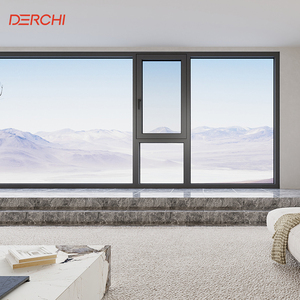
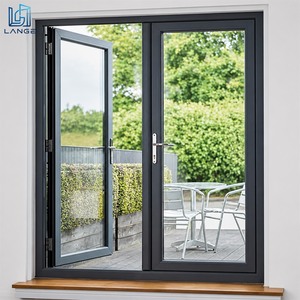
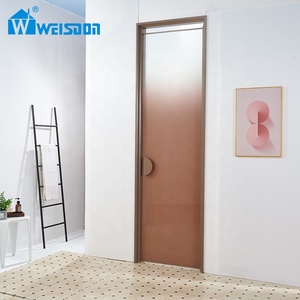
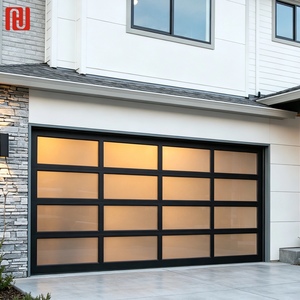
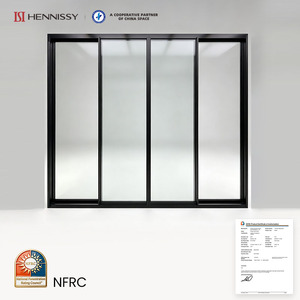
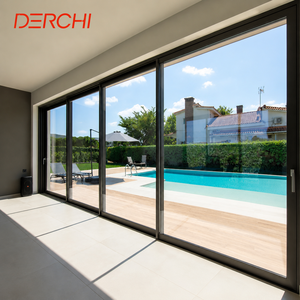
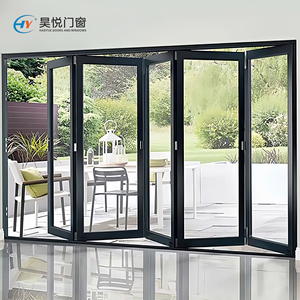
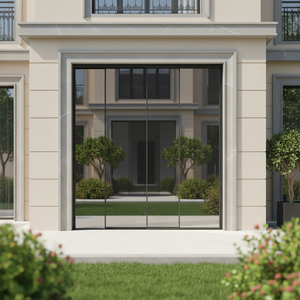
1. Technical Whitepaper: The Evolution of Aluminum Kitchen Door Systems
Modern residential architecture and luxury interior planning have fundamentally shifted kitchen door specifications from pure utilitarian barriers into sophisticated high-performance thermal, acoustic, and spatial dividers. As modern residential spaces embrace open-plan living while maintaining functional isolation for cooking fumes, heat, and moisture, sourcing managers, architectural buyers, and property developers demand aluminum kitchen door solutions that balance structural elegance with heavy-duty mechanical longevity.
When selecting a Top 10 aluminum kitchen doors manufacturer & exporter, global importers must look beyond basic aesthetic surface finishes. True manufacturing excellence lies in profile metallurgy, alloy heat treatment processes, thermal break insulation strip composition, dual-seal EPDM gasket performance, and specialized surface treatment resilience against airborne grease and humidity.
Information Gain Benchmark: Standard residential interior doors utilize basic 6063-T5 non-thermal profiles. However, high-spec commercial and luxury villa kitchen applications utilize engineered 6063-T6 or 6060-T6 architectural billets with PA66 GF25 (25% glass-fiber reinforced polyamide) thermal breaks and anodized surface layers exceeding 15 to 25 microns to withstand aggressive chemical cleaning agents and high heat exposure.
Metallurgical Standards & Extrusion Precision
The structural integrity of an aluminum kitchen door profile is largely determined during the billet heating and extrusion phase. Factory-direct manufacturing standards at Al-Noor Windows & Doors Industries LLC utilize primary aluminum ingots rather than remelted scrap, eliminating impurities that compromise tensile strength and finish consistency.
- 6063-T5 Alloy: Provides optimal surface smoothness for anodizing and fluorocarbon (PVDF) powder coating. Tensile strength ≥ 185 MPa, yield strength ≥ 145 MPa. Ideal for interior ultra-slim sliding kitchen partitions.
- 6060-T6 Architectural Grade: Offers enhanced structural rigidity for heavy-duty multi-panel bi-fold kitchen patio doors leading to outdoor dining spaces. Tensile strength ≥ 215 MPa.
- Ultra-Slim Interlock Stiles (16mm - 21mm Sightlines): Engineered with internal multi-cavity reinforcement ribs, allowing glass doors up to 3.5 meters in height to withstand high wind pressure without sash deflections exceeding L/175.
Key Engineering & Sourcing Pillars
Why leading architects and international project developers partner with specialized OEM/ODM aluminum window and door manufacturers.
Thermal Break Efficiency
Multi-cavity PA66 GF25 polyamide thermal barriers isolate interior ambient temperatures, yielding U-factors down to 1.7 W/m²K (NFRC certified) for climate-controlled kitchen-patio transitions.
Acoustic Isolation (35dB+)
Dual-glazed laminated tempered glass (SGCC/IGCC compliant) combined with continuous co-extruded EPDM weatherstripping blocks high-frequency kitchen blender and cooking noise from living quarters.
Corrosion & Fume Resistance
AAMA 2605 compliant PVDF fluorocarbon coatings and AkzoNobel electrostatically applied powder coats resist oil degradation, vapor condensation, and chemical discoloration.
2. Technical Performance Matrix for Aluminum Kitchen Door Profiles
To assist global procurement managers in establishing baseline compliance for B2B tenders and architectural submittals, the table below outlines the core technical specifications verified across our proprietary profile systems (including TY120, TY150, and PRO110 series):
| Performance Parameter | Test Standard / Regulatory Benchmark | Al-Noor Standard Factory Spec | High-Spec Custom Options |
|---|---|---|---|
| Thermal Transmittance (U-Value) | NFRC 100 / EN ISO 10077-2 | 1.7 – 2.2 W/m²K | Down to 1.2 W/m²K (Triple Low-E + Argon) |
| Acoustic Rating (Sound Transmission) | ASTM E90 / ISO 717-1 | STC 32 dB (RW 35 dB) | STC 42 dB (Acoustic PVB Laminated Glass) |
| Water Penetration Resistance | ASTM E331 / EN 12208 | 450 Pa (Class 9A) | 700 Pa (Sub-Sill Drain Track System) |
| Air Infiltration Rate | ASTM E283 / EN 12207 | < 0.1 cfm/ft² (Class 4) | Concealed Multi-Point Compression Locks |
| Surface Coating Thickness | AAMA 2604 / AAMA 2605 / Qualicoat | 60 – 80 microns (Powder) | > 25 microns (Anodized Architectural) |
| Hardware Cycle Longevity | EN 13126-15 / AAMA 904 | 50,000 Open/Close Cycles | 100,000+ Cycles (German Siegenia / Hoppe) |
3. Global Procurement Trends & Future Outlook (2026–2030)
As the international construction industry transitions toward carbon neutrality, intelligent building automation, and extreme weather resilience, the procurement demands placed on aluminum kitchen door manufacturers have transformed. Sourcing directors must anticipate four macro trends reshaping the architectural aluminum export sector:
Trend 1: Zero-Threshold Flush Tracks & ADA Accessibility
Modern luxury residential design requires seamlessly continuous flooring from interior kitchen spaces to outdoor patio deck areas. Traditional high bottom tracks create tripping hazards and visual disruption. Advanced aluminum door manufacturers are now engineering recessed stainless-steel drainage tracks equipped with integrated perimeter siphon channels. These zero-threshold systems meet ADA accessibility guidelines while maintaining high water penetration resistance during heavy rainstorms.
Trend 2: Smart Glass Integration & Automated Micro-Actuators
The integration of Polymer Dispersed Liquid Crystal (PDLC) switchable privacy glass directly into aluminum kitchen sliding door sashes is rapidly gaining traction in upscale urban developments. With a simple wall switch, smartphone app, or home automation command, glass kitchen partitions transform instantly from crystal-clear transparency to opaque privacy, keeping cooking mess hidden during formal dining. Furthermore, ultra-quiet brushless DC motorized actuators now allow touchless sensor-driven opening, ideal when hands are full during meal preparation.
Trend 3: Low-Carbon Recycled Aluminum Billets & EPD Compliance
Green building certification frameworks, including LEED v4.1 and BREEAM, strictly evaluate embodied carbon in building envelope materials. Importers in Western Europe and North America increasingly demand Environmental Product Declarations (EPDs) from extrusion factories. Sourcing aluminum sourced from hydro-powered smelters—which generate less than 4.0 kg CO2 per kg of aluminum compared to the global average of 16.5 kg CO2—has become a decisive competitive advantage during developer tender evaluations.
Trend 4: Hurricane-Impact & Wildfire Zone Multi-Spec Hybridization
Coastal and climate-vulnerable regions in North America, Australia, and Southeast Asia require interior and exterior kitchen door threshold systems that serve dual functions. Kitchen patio doors in South Florida or coastal resorts must meet Miami-Dade TAS 201/202/203 missile impact standards, while developments in wildfire hazard zones require non-combustible aluminum alloys paired with heat-strengthened, dual-pane tempered ceramic glass configurations.
Why Partner with Al-Noor Windows & Doors Industries LLC
Factory-Direct Quality, Comprehensive OEM/ODM Capabilities, and Rigorous Export Quality Control Since 1995.
24-Hour Shop Drawing Sign-Off
Our dedicated engineering office reviews architectural CAD drawings and returns marked-up production shop drawings within 24 hours. Nothing is cut until every dimension and elevation mark is approved.
Global Certification Suite
Full laboratory test documentation including CE Marking (EN 14351-1), CSA Certification, NFRC thermal performance ratings, AS 2047 Australian window testing, and ISO 9001:2015 quality management.
Heavily Crated Export Packing
Units are individual foam-wrapped, corner-protected, and packed in reinforced plywood crates marked by room number or elevation tag for streamlined site installation.
4. Frequently Asked Questions (FAQ) for Global B2B Importers
Essential technical and commercial answers for sourcing managers, developers, and distributors purchasing aluminum kitchen doors direct from China.
Q: Can you manufacture aluminum kitchen doors to custom architectural dimensions and project CAD drawings?
Yes. Every single unit produced at our 20,000 m² factory is custom-engineered to match your precise rough openings and architectural shop drawings. We work with specialized profile systems (including TY120, TY150, and PRO110) to accommodate high-ceiling villa openings, ultra-wide multi-panel sliding configurations, and custom pocket-door installations.
Q: What is the recommended aluminum alloy grade and surface treatment for kitchen door environments?
For interior kitchen sliding or bi-fold dividers, we recommend architectural-grade 6063-T5 aluminum alloy with an electrostatically applied fluorocarbon (PVDF) powder coating or fluorocarbon anodized layer (minimum 15–20 microns). This prevents surface pitting, staining, or degradation caused by airborne hot oil droplets, acidic cleaning vapor, and daily grease contact.
Q: How do you prevent cooking oil fumes and noise from escaping into adjacent living spaces?
Our kitchen door sashes incorporate continuous dual-seal EPDM synthetic rubber gaskets combined with magnetic interlock strips along vertical meeting stiles. When paired with double-glazed acoustic laminated glass (e.g., 5mm Tempered + 1.14PVB + 5mm Tempered), our door systems achieve sound isolation ratings exceeding 35 dB while completely sealing off cooking smoke and oil vapors.
Q: What international testing reports and certifications can you provide for project compliance?
Depending on your destination market, we provide NFRC energy performance ratings, NAFS / CSA A440 testing documentation for North America, AS 2047 certification for Australia, and CE marking (EN 14351-1) for European Union project tenders. All manufacturing processes are strictly certified under ISO 9001:2015 quality assurance protocols.
Q: What is the standard production lead time and sample box availability for new overseas distributors?
Upon final approval of production shop drawings and sample sign-off, standard batch manufacturing takes 25 to 35 calendar days. For dealers and high-volume project contractors, we provide physical corner sample boxes and hardware display kits within 5 to 7 business days to accelerate mock-up evaluations.
Q: How are large glass door units protected against glass breakage during ocean container transit?
Frames are individually wrapped in scratch-resistant protective polyethylene film, corner-shielded with dense EPDM foam guards, and fully enclosed inside fumigated plywood cases. Crates are loaded according to a pre-engineered container loading plan using heavy-duty nylon strapping to prevent dynamic shifting during maritime freight.
Partner with a World-Class Aluminum Door Manufacturer
Send your project schedule, rough opening sizes, or architectural drawings. Our technical engineering team will deliver marked-up shop drawings, system recommendations, and an itemized factory direct quotation within 24 hours.