Featured Architectural Aluminum Glazing Systems
Certified NFRC, CE, CSA, and AS2047 double glazed windows and structural doors engineered for extreme weather resistance and maximum thermal gain reduction.
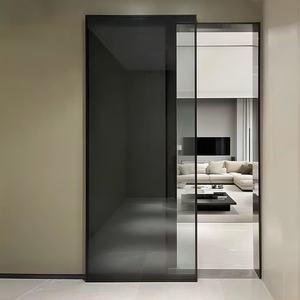
NFRC Outdoor Hurricane Proof Patio 4-Track Double Glazed Sliding Door
Heavy-duty structural aluminum slider featuring 4-track configuration, reinforced thermal break profiles, and hurricane impact-resistant laminated double glazing.
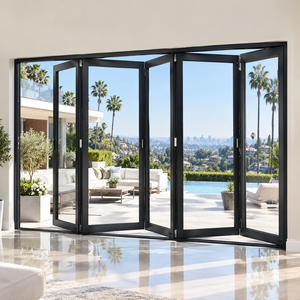
Hihaus Classic Style Panoramic Exterior Aluminium Folding Patio Doors
Seamless indoor-outdoor transitional folding door system with ultra-slim sightlines, concealed stainless steel rollers, and thermal double glass units.
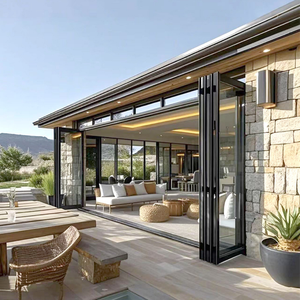
NFRC Thermal Break Aluminum Folding Door with Retractable Mesh Screen
High-performance insulated exterior bifold system equipped with built-in retractable insect screens and multipoint locking hardware.
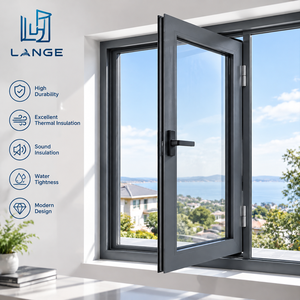
Architectural Hurricane Impact Double Glass Aluminum Casement Window
Outward/inward opening casement window engineered for superior water tightness, high wind load resistance, and acoustic attenuation.
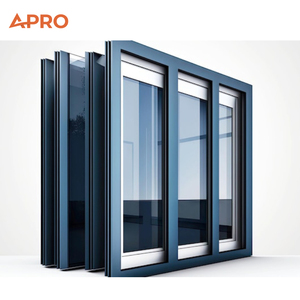
Soundproof American Standard Double Glazed Aluminum Sliding Window
Urban condo-grade horizontal slider optimized with argon-filled acoustic double glazing and heavy-gauge 6063-T5 aluminum extrusions.
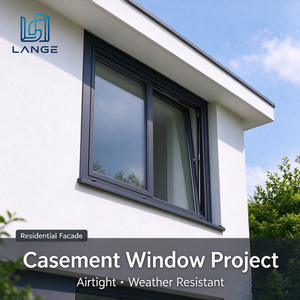
Customizable Wholesale Architectural Aluminum Casement Windows for Villas
Precision-manufactured luxury villa windows available in anodized, fluorocarbon (PVDF), and powder-coated finishes with Low-E glass options.
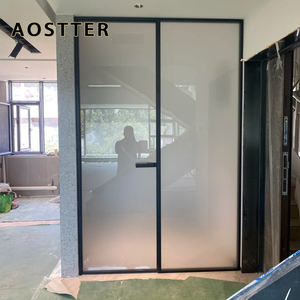
AOSTTER Semi-Transparent Aluminum Casement Door with Frosted Panel
Sleek interior aluminum glass partition door featuring tempered obscure privacy glass, custom hardware, and water-resistant perimeter seals.
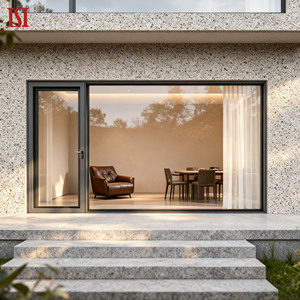
Insulated Aluminium Casement Entry Doors with Integrated Louver Design
Energy Star rated multi-functional exterior entry door integrating insulated louver vents for optimized natural ventilation and thermal control.
Global Sourcing Landscape & Procurement Trends (2025–2030)
An analytical guide for commercial real estate developers, facade engineers, and fenestration importers evaluating top-tier aluminum double glazed window factories.
Decarbonization & EPBD Compliance
Under the European Union's Energy Performance of Buildings Directive (EPBD) and North American Energy Star 7.0 protocols, thermal performance mandates have escalated. Importers require frame U-factors below 1.4 W/m²K, driving the shift toward advanced polyamide thermal breaks (PA66 GF25) over traditional non-thermal extrusions.
Structural Resiliency & Climate Adaptation
Increasing frequencies of super-typhoons and coastal pressure surges demand fenestration rated for extreme Design Pressure (DP) thresholds (DP50 to DP100). Modern manufacturing must incorporate structural silicone glazing, multi-chambered 6063-T5/T6 extrusions, and laminated tempered double-glazed insulated units (IGUs).
Total Cost of Ownership (TCO) Sourcing
Procurement strategies have evolved beyond raw unit price. B2B buyers now prioritize complete factory integration—evaluating raw billet melting, anodizing/PVDF coating lines, glass tempering, shop-drawing CAD turnaround speed, and container loading density to eliminate site-side adaptation overhead.
Information Gain Insight: While initial FOB costs of non-thermal aluminum windows appear 20-30% lower, long-term building operational energy audits demonstrate that high-performance thermal break double glazed windows deliver full capital expenditure payback within 4.2 years through reduced HVAC load profiles.
Technical Architecture of Modern Aluminum Windows
An in-depth breakdown of material science, insulation geometry, and surface treatment technologies driving modern fenestration engineering.
1. Polyamide Thermal Barrier Technology
Standard aluminum is a highly conductive metal (thermal conductivity ~200 W/m·K). To prevent heat transfer, high-end export factories incorporate **PA66 GF25 (25% Glass Fiber Reinforced Polyamide 66)** strips. This creates an isolated thermal break zone, dropping overall frame U-values significantly.
- Structural Stability: Glass fiber reinforcement matches the thermal expansion coefficient of aluminum profiles.
- Multi-Cavity Insulation: Advanced profiles insert expanded polyurethane (PU) foam inside thermal chambers for passive-house standards.
2. High-Performance Insulated Glass Units (IGU)
Double glazed window units are engineered as hermetically sealed environmental barriers. Modern specifications require advanced glass configurations to balance daylight transmittance against Solar Heat Gain Coefficient (SHGC).
- Low-E Soft Coatings: Magnetron sputtering off-line Low-E reflects long-wave infrared heat while permitting visible daylight.
- Gas Infill & Warm-Edge Spacers: 90%+ Argon gas infill combined with Technoform TPS warm-edge spacers reduces perimeter condensation.
Fenestration System Performance Benchmark Matrix
| System Type | Frame Profile Depth | U-Factor (W/m²K) | Acoustic Rating (Rw) | Wind Pressure Rating | Primary Application |
|---|---|---|---|---|---|
| Non-Thermal Aluminum Slider | 80mm - 100mm | 3.8 - 4.5 | 25 - 28 dB | 1200 Pa (DP25) | Low-rise interior / mild climates |
| Standard Thermal Break Casement | 60mm - 70mm | 1.8 - 2.2 | 32 - 36 dB | 3000 Pa (DP60) | Residential apartments / villas |
| Hurricane Impact Thermal Slider | 120mm - 150mm | 1.4 - 1.7 | 38 - 42 dB | 5000 Pa (DP100) | Coastal, typhoon & hurricane zones |
| Passive House Thermal Casement | 85mm - 110mm | < 0.8 | 42 - 45 dB | 4000 Pa (DP80) | Extreme cold / high-energy efficiency projects |
Why Direct Importers Partner with Our Factory
Reference specifications based on 28+ years of dedicated aluminum window manufacturing, serving over 60 countries with direct OEM/ODM engineering support.
20,000 m² Integrated Infrastructure
Our facility houses high-precision aluminum extrusion lines, automated thermal strip insertion equipment, double glazing glass tempering ovens, and CNC corner crimping stations under one centralized quality control regime.
Strict Global Certification Matrix
We provide validated test reports including **NFRC** energy ratings for North America, **CE EN 14351-1** for European markets, **AS 2047** compliance for Australia, and **CSA** certification for Canadian building codes.
24-Hour CAD/BIM Shop Drawings
Eliminate job site fitment errors. Send architectural PDF plans or DWG files, and our dedicated engineering office returns fully detailed, elevation-marked shop drawings and system cross-sections within 24 hours.
AAMA Certified Architectural Coatings
Finishes engineered to withstand intense solar exposure and marine corrosion. Options include AkzoNobel PVDF fluorocarbon coatings (AAMA 2605 standard) offering 20+ years color retention warranty without chalking.
Heavy Export Packing & Site-Ready Crating
Units are fully protected with surface protective films, foam corner bumpers, wrapped in waterproof stretch film, and packed into reinforced fumigated wooden crates marked by floor elevation for rapid site assembly.
Frequently Asked Procurement Questions
Critical answers for global buyers, project managers, and window distributors navigating factory sourcing and customs compliance.
What is the difference between non-thermal and thermal break aluminum double glazed windows?
Standard aluminum frames conduct thermal energy rapidly, allowing heat to enter during summer and escape during winter while causing surface condensation. Thermal break aluminum windows incorporate a rigid, low-conductivity reinforced polyamide strip (PA66 GF25) engineered between the interior and exterior aluminum profiles. This structural barrier breaks heat conduction, cutting frame thermal transfer by up to 60% and ensuring full energy code compliance in North America, Europe, and Australia.
How do I confirm if your aluminum windows meet our local building codes?
Our engineering team matches your local performance criteria against accredited third-party test reports. For the USA and Canada, we offer NFRC thermal performance ratings and NAFS/CSA A440 structural wind/water penetration tests. For Australia, we certify to AS 2047 and AS 1288 standards. For Europe, CE marking (EN 14351-1) documentation is provided. Before mass production, complete PDF engineering compliance binders are submitted for local building department sign-off.
Can your factory build custom dimensions based on architect drawing sets?
Yes, 100% of our production runs are built to custom job-site dimensions. You can upload architectural elevation drawings, window schedules, or CAD files. Our engineering staff converts your project plans into detailed shop drawings (including mullion anchors, sill pans, sub-frames, and wall interface details) within 24 hours. Production commences only after client sign-off and sample approval.
What glass configurations are recommended for high wind and typhoon zones?
For coastal and typhoon-prone regions, we recommend heavy-duty structural casement or multi-track sliding profiles fitted with double glazed impact glass (e.g., 6mm Tempered + 12A/16A Argon + 6mm Laminated / PVB / SGP). Combined with multi-point stainless steel hardware, co-extruded EPDM gaskets, and structural silicone glazing, these configurations achieve design pressure ratings above DP60 (up to DP100 / 5000 Pa).
What is the lead time for export orders and how are products protected during sea freight?
Standard shop drawing review and sample verification take 3 to 7 days. Mass production lead time is typically 20 to 30 days depending on coating specs (powder coating vs PVDF). For sea transit, frames feature protective film covers, corners are shielded with thick shock-absorbing foam, and whole assembled or knocked-down (KD) units are packed in solid plywood cases with moisture absorbers to prevent salt-fog air corrosion.