High-Performance Architectural Glazing Solutions
Explore our top-recommended, factory-direct aluminum window and door systems certified to AS2047, NFRC, CE, and CSA standards for global residential and commercial projects.
1. Executive Summary & Semantic Procurement Landscape
The global architectural fenestration sector is undergoing a structural paradigm shift driven by stringent energy efficiency codes (such as EN 14351-1, NFRC standards, and Australia’s AS2047), carbon neutral building policies, and a surge in luxury residential and commercial developments. For commercial developers, facade engineers, and volume importers, sourcing high-grade aluminium and glass window assemblies requires evaluating profile metallurgy, thermal barrier polymer chemistry, structural deflection under cyclic wind pressures, and international compliance verification.
Extruded aluminium alloy 6063-T5 and T6 remain the undisputed industry standard for architectural frames due to their optimal strength-to-weight ratio, superior anodizing response, and resistance to atmospheric oxidation. However, bare aluminium exhibits high thermal conductivity (approx. 200 W/m·K). To satisfy modern building energy codes, global tier-1 manufacturers utilize thermal break technology—specifically Polyamide 66 reinforced with 25% glass fiber (PA66GF25)—which physically splits the interior and exterior extrusions. This whitepaper systematically evaluates the top 10 global manufacturers and wholesalers, examining structural performance metrics, thermal transmission coefficients (U-factor), supply chain capabilities, and advanced OEM/ODM custom fabrication workflows.
2. Top 10 Aluminium & Glass Window Manufacturers & Wholesalers Matrix
Below is a comparative technical analysis of the industry's leading manufacturers and OEM/ODM engineering suppliers, benchmarked by manufacturing capacity, testing certifications, custom engineering support, and primary export markets.
| Manufacturer / Brand | Primary Capabilities & Systems | Certifications | Lead Time & CAD Support | Key Markets |
|---|---|---|---|---|
| Al-Noor Windows & Doors | Custom Thermal Break, Slim-frame Sliders, Skylights, Curtain Walls | NFRC, CSA, AS2047, CE, ISO 9001 | 24-Hr CAD Shop Drawings; 20-30 Days Prod. | North America, Australia, EU, GCC |
| Schüco International | Ultra-Premium Modular Systems, Smart Automation, Structural Glazing | DIN EN ISO, CE, Cradle to Cradle | Standard Catalog; High Premium Lead Times | Europe, Global Luxury Commercial |
| Wazzor Windows | AS2047 Australian Standard Sliding & Folders, Thermally Broken Systems | AS2047, SAI Global, CE | Custom Engineering; 25-35 Days | Australia, New Zealand, Oceania |
| Reynaers Aluminium | High-End Architectural Systems, Minimalist Patio Sliding Glazing | Qualicoat, ISO 14001, CE | Architectural Partner Network | Europe, Middle East, Asia-Pacific |
| Derchi Window & Door | Soundproof Broken Bridge Windows, Heavy-Duty Villa Entry Assemblies | ISO 9001, CE, Wind Load Certified | OEM/ODM Custom Sizes; 20-25 Days | North America, SE Asia, Africa |
| YKK AP Inc. | Commercial Architectural Products, Residential Cyclone-Rated Windows | AAMA, NFRC, ISO 9001 | Standardized Commercial Specs | Japan, North America, Global |
| Technal (Hydro Group) | Low-Carbon Recycled Aluminium Systems, Sustainable Fenestration | ASI Certified, Qualanod, CE | BIM Integration; Regional Lead Times | Europe, Latin America, Middle East |
| Lixil / Kawneer | Commercial Storefronts, Unitized Curtain Walls, High-Rise Glazing | AAMA, LEED Compliant, CE | Contractor Specification Based | Global Commercial Projects |
| Fletcher Window Systems | Residential & Commercial Extrusions, Sub-Tropical Thermal Systems | NZS 4211, WANZ Certified | Regional Dealer Sourcing | New Zealand, Pacific Islands |
| JELD-WEN Glazing | Mass Market Modular Windows, Hybrid Clad Aluminium-Wood Systems | Energy Star, NFRC, CSA | Volume Wholesale Sourcing | North America, Europe |
3. Product Deep-Dive & Engineering Recommendations
When selecting structural fenestration for modern villas, resorts, or commercial complexes, buyers must align the structural typology with site-specific wind loads (Pa), acoustic attenuation requirements (STC/Rw ratings), and water tightness parameters (Pa). Below is an in-depth analysis of key product categories recommended for strategic wholesale procurement.
Thermally Broken Sliding Doors
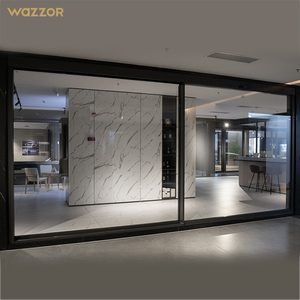
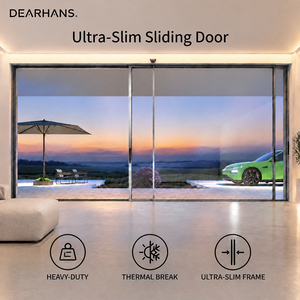
Utilizing narrow-frame profiles (such as 72x80 modern slim systems) paired with bottom stainless steel heavy-duty rollers capable of supporting panel weights up to 400kg. Double-glazed Low-E tempered glass ensures solar heat control while keeping sightlines under 25mm.
AS2047 Compliant Casements
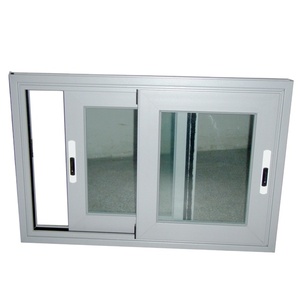
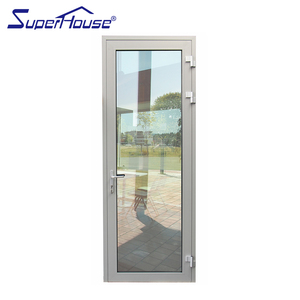
Engineered specifically for coastal cyclone zones and high-wind loads. Features multi-point locking hardware, continuous EPDM weather-stripping gaskets, and press-formed crimped corner cleats that prevent structural water penetration up to 600 Pa.
Heavy-Duty Entrance Security Doors
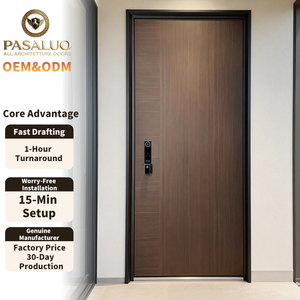
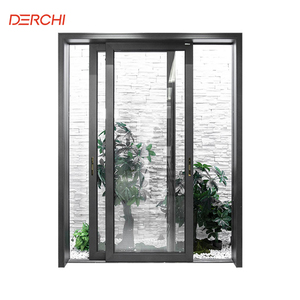
PSL OEM villa entrance systems featuring multi-layer composite aluminum alloy skins, broken-bridge internal cores, smart biometric access integration, and ballistic resistance ratings suited for high-security residential master plans.
4. Strategic Procurement Trends (2026–2030)
B2B procurement of architectural glazing is undergoing dynamic changes driven by regulatory evolution, material science, and supply chain digitalization. Importers and contractors must keep the following four macro trends at the center of their sourcing strategies:
A. Adoption of Low-Carbon & Recycled Primary Aluminium
Primary aluminium production via traditional Hall-Héroult smelting emits approximately 14 kg of CO2 per kg of metal. In contrast, secondary recycled aluminium or hydro-powered smelting (such as Hydro REDUXA or CIRCAL) drops carbon intensity to below 4.0 kg CO2/kg. Under Europe’s Carbon Border Adjustment Mechanism (CBAM) and global LEED v4.1 standards, developers are increasingly mandating EPD (Environmental Product Declaration) verified low-carbon aluminium extrusions.
B. Shift Toward Vacuum Insulated Glass (VIG) & Triple IGUs
While standard double IGUs (5mm + 12A + 5mm) yield U-values around 2.7 W/m²K, advanced thermal break frames combined with Vacuum Insulated Glass (VIG) achieve U-values under 0.6 W/m²K—rivaling solid insulated walls. This transition allows high-rise developments to maximize floor-to-ceiling glass facades without failing strict localized operational carbon caps.
C. Prefabricated Unitized Glazing & DfMA Integration
On-site labor shortages and rising trade wages across North America, Europe, and Australia have accelerated demand for Design for Manufacture and Assembly (DfMA). Wholesalers and factory suppliers now ship fully unitized, factory-glazed window assemblies pre-fitted with perimeter flashing membranes, sub-frames, and integrated motorized louvers, reducing installation site hours by up to 60%.
D. Digital Twin BIM Modeling & 24-Hour CAD Integration
Modern architectural workflows demand frictionless integration between front-end CAD design and factory CNC fabrication software. Leading manufacturers provide Revit BIM families with embedded thermal data and offer direct 24-hour shop drawing engineering markups, preventing structural alignment errors before profile extrusion and glass cutting commence.
5. Technical & Material Development Trends
Understanding material physics and structural hardware engineering is essential for evaluating B2B fenestration proposals. Key technological breakthroughs currently defining top-tier manufacturing include:
- PA66GF25 Multi-Chamber Thermal Insulation: Transitioning from simple flat polyamide strips to complex multi-cavity thermal struts filled with expanded polyolefin foam (PE foam), drastically dampening convection currents inside the frame cavities.
- Fluorocarbon (PVDF) vs. Advanced Powder Coating: For severe marine environments (C4/C5 corrosion categories according to ISO 12944), PVDF coatings utilizing 70% Kynar 500 resins offer 25+ year color retention, chalk resistance, and salt-spray resistance exceeding 3,000 hours.
- Structural Silicone Glazing (SSG) Systems: Replacing mechanical glass retention beads with high-modulus structural silicone sealants (such as Dow Corning 983), enabling seamless, frame-less glass exteriors capable of absorbing seismic shear forces and wind loads up to ±5000 Pa.
- Acoustic Laminated Interlayers (PVB vs. SGP): Utilizing Acoustic PVB or stiff Ionoplast (Kuraray SentryGlas®) interlayers allows double-glazed windows to achieve Sound Transmission Class (STC) ratings above 42 dB, blocking high-frequency urban aircraft and highway noise.
6. Enterprise Capabilities & OEM/ODM Manufacturing Advantages
Sourcing directly from an established 20,000m² manufacturing plant like Al-Noor Windows & Doors gives international distributors and project developers a massive competitive advantage over regional intermediaries. By controlling the entire manufacturing workflow—from CAD engineering to raw profile cutting, CNC corner crimped joining, automated double-pane glass assembly, and custom export crating—we guarantee total quality control and eliminated middleman markups.
24-Hour Engineer CAD Markups
Submit your architectural floor plans or window schedules, and our senior fenestration engineers will provide marked-up shop drawings, wind load calculations, and thermal glass recommendations within 24 hours. No cutting proceeds until you sign off on exact millimetric details.
Strict International Testing Compliance
Our systems undergo independent laboratory testing to verify air infiltration, water tightness, and structural deflection under NFRC, CSA A440, AS2047, and CE EN 14351-1 protocols. Full test reports are made available for municipal building code submittals.
Precision CNC Fabrication & Corner Cleating
Using 5-axis German-designed CNC machining centers, our profile milling tolerances are held within ±0.1mm. Hydraulic corner crimping combined with two-component corner sealants prevents frame corner separation and leaks across decades of cyclic thermal expansion.
Custom Ocean Export Packaging
Glass and finished metal surfaces are highly susceptible to transit abrasion and ocean salt humidity. All units receive protective film wrapping, corner guards, fumigated wooden crate packing, and container loading maps matched precisely to your jobsite installation schedule.
7. B2B Sourcing FAQ: Frequently Asked Questions by Buyers
Can you manufacture aluminium windows and doors directly to custom architectural drawings?
Yes. We specialize 100% in custom OEM/ODM architectural production based on your exact structural drawings and site schedules. Our technical engineering office reviews your CAD/BIM files, verifies wind load and glazing parameters, and returns marked-up shop drawings within 24 hours. Profile cutting and glass tempering only commence after signed approval of shop drawings and physical samples.
What specific testing certifications and reports can be provided for building code compliance?
Depending on your destination market, we provide full PDF test reports including NFRC (National Fenestration Rating Council) U-factor and SHGC ratings, NAFS/CSA A440 air/water/structural test reports for North America, AS2047 certification for Australia, CE Marking under EN 14351-1 for Europe, and ISO 9001:2015 quality management documentation.
How do you determine the correct thermal break and glass combination for severe climates?
We match frame extrusions and insulated glass units (IGUs) to site-specific environmental data. For coastal typhoon zones, we recommend PRO110 casement systems with 5+20A+5mm tempered double glazing and heavy compression gaskets. For wildfire zones, tempered fire-rated insulated glass is specified. For hot arid regions (e.g., GCC), double Low-E coatings with low SHGC ratings prevent infrared heat ingress while optimizing visual light transmittance (VLT).
What is the standard lead time for containerized export orders?
Standard lead time is 20 to 30 calendar days following shop drawing sign-off and deposit confirmation. For custom extruded dies or non-standard powder coat RAL colors, an additional 7–10 days may apply. Accelerated batch production is available for high-rise commercial or hotel fit-out milestones.
How are heavy glazed units protected against ocean transport damage?
Every frame is wrapped in protective PE scratch-resistant film, fitted with reinforced rubber corner guards, and enclosed inside fully sealed, IPPC-stamped ISPM-15 compliant wooden crates. Crates are loaded into shipping containers with heavy-duty polyester strapping and inflatable dunnage bags to eliminate shift during maritime transit.
Ready to Specify Your Project’s Fenestration Envelope?
Send your architectural drawings, window schedules, or tender documents today. Our engineering team will review your specifications and provide a factory-direct quote with CAD markups within 24 hours.