Engineered Kitchen Door Systems & Profiles
Factory-direct OEM/ODM aluminum frame profiles, thermal insulation folding doors, and minimalist glass cabinet partitions engineered to exact project drawings.
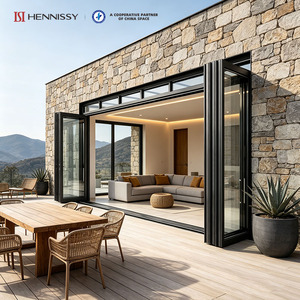
Aluminum Glass Folding Door Thermal Insulation OEM ODM Custom Services
View Details →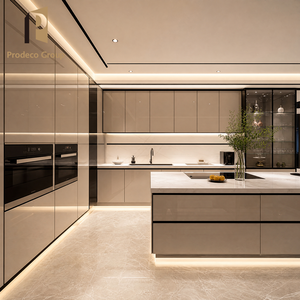
Glass Front Kitchen Cabinet Display Door Aluminum Frame Modern Style Villa
View Details →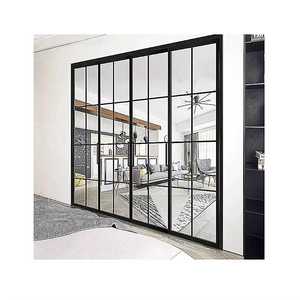
Aluminum Alloy Double Glass Sliding Folding Door With Screen Interior Accordion
View Details →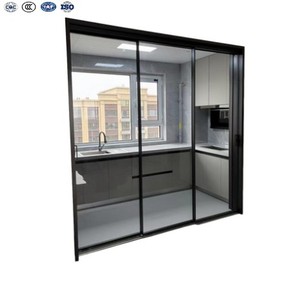
Modern Minimalist Soundproof Aluminum Glass Partition Kitchen Door
View Details →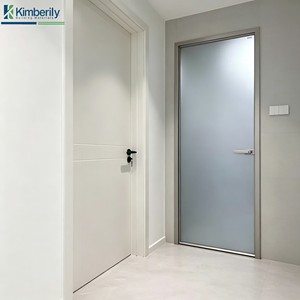
Minimalist Slim Frame Aluminum Swing Door for Kitchen Fluted Glass
View Details →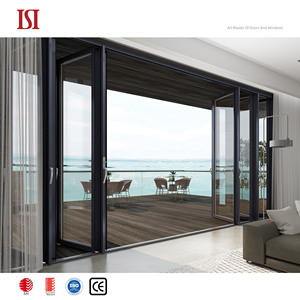
Extra Wide Aluminum Tempered Glass Foldable Space Partition Door System
View Details →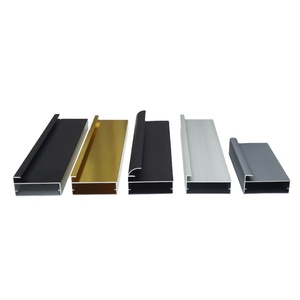
Automatic Glass Sliding Kitchen Door with Aluminum Frame Profile
View Details →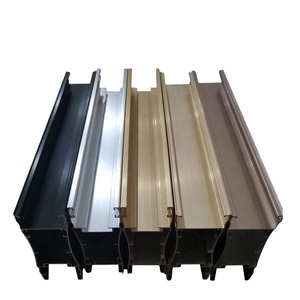
Anodized Brushed Glass Front Kitchen Cabinet Door Aluminum Profile
View Details →1. Comprehensive Technical Overview: Aluminum Architecture in Modern Kitchen Systems
In high-end architectural engineering and contemporary interior space planning, kitchen barrier systems have evolved from basic functional entryways into critical environmental partitions. An optimized OEM/ODM aluminium kitchen door system must address three stringent operational demands simultaneously: high moisture and grease barrier performance, structural rigidity across micro-slim frame profiles, and superior sound attenuation to separate active culinary zones from open-plan living environments.
Unlike standard interior wooden or composite doors—which remain susceptible to thermal warping, delamination under high humidity, and surface degradation from airborne oil vapors—extruded aluminum alloy profiles (specifically structural 6063-T5 and 6061-T6 tempers) deliver permanent structural stability. Modern metallurgical anodizing and fluorocarbon powder-coating techniques ensure that aluminum frame profiles retain tensile yield strength exceeding 110 MPa while offering absolute resistance to chemical oxidation and corrosion in residential and hospitality environments.
Metallurgical Specifications & Structural Extrusion Standards
At Al-Noor Aluminum Industries, our precision profile extrusion lines operate under computerized dimensional tolerance standards conforming to GB/T 5237 and ASTM B221 guidelines. Kitchen application doors demand thin sightlines ranging from ultra-narrow 16mm minimal frames to heavy-duty 120mm thermal-break sliding frames. The structural integrity of these slim profiles relies heavily on wall thickness optimization (typically 1.4mm to 2.0mm structural wall thickness), reinforced corner-cleat crimping, and specialized internal ribbing designs that prevent deflection under wind load or continuous heavy cycling.
| Material / Technical Parameter | 6063-T5 Aluminum Profile | Standard Wooden / MDF Frame | Standard PVC Profile |
|---|---|---|---|
| Moisture & Vapor Resistance | 100% Impervious (Zero swelling/warping) | Poor (Prone to swelling & mold) | Moderate (Deforms under hot steam) |
| Tensile Yield Strength | ≥ 110 - 130 MPa | 12 - 25 MPa | 35 - 45 MPa |
| Surface Anodizing / Coating Depth | 10 - 25 microns (Anodized/PVDF) | Paint veneer (Scratches easily) | Color foil laminate (Peels over time) |
| Acoustic Rating (Glass Integration) | 32 dB - 42 dB (Double Insulated Glass) | 22 dB - 28 dB | 26 dB - 30 dB |
| Environmental Lifecycle & Recyclability | 100% Infinite Recyclability (Cradle to Cradle) | Non-recyclable composite waste | Degrades rapidly; toxic incineration |
2. Future Sourcing Trends in B2B Aluminium Kitchen Door Procurement (2025–2030)
As international construction codes, energy standards, and architectural aesthetics evolve, global real estate developers, hotel chain procurement teams, and cabinet distributors are shifting their supply chain strategies. Key macro trends shaping the procurement of OEM/ODM aluminum kitchen doors include:
Minimalist Sightlines & Glass Micro-Frames
Architects are standardizing on ultra-slim face profiles (16mm–21mm sightlines) with concealed frame tracks. This trend requires door manufacturers to possess advanced CNC milling centers capable of routing millimetric hardware pockets for hidden soft-close hinges and magnetic locks.
Acoustic Isolation for Open-Plan Living
Modern architectural layouts blur the line between dining and kitchen zones. Future procurement heavily favors acoustic double-glazed (5mm + 12A + 5mm) or laminated fluted glass doors equipped with drop-down bottom acoustic seals to contain cooking noise and fume dispersion.
Custom OEM Color Profiles & Surface Finishes
Buyers are moving away from plain mill finishes toward highly customized surface treatments, including fluorocarbon metallic spraying, tactile anodized brushed bronze, matte sandblasted black, and anti-fingerprint micro-textured coatings that resist oil stain adhesion.
Furthermore, ESG (Environmental, Social, and Governance) compliance has become a strict prerequisite in European and North American procurement tenders. Sourcing certified low-carbon recycled aluminum profiles backed by Environmental Product Declarations (EPDs) allows commercial contractors to earn LEED and BREEAM credits for sustainable building projects.
3. Evolution & Technological Advancements in Aluminium Door Systems
The transition from raw industrial aluminum extrusion to refined architectural system glazing has been catalyzed by breakthroughs in extrusion metallurgy, thermal break insertion, hardware integration, and precision surface chemical treatment.
A. Polyamide Thermal Break Engineering (PA66 GF25)
In temperature-controlled villas and high-end residential apartments, uninsulated aluminum can act as a thermal bridge, causing energy loss and glass condensation. Modern OEM custom kitchen doors utilize high-grade PA66 GF25 (25% fiberglass reinforced polyamide) thermal barrier strips. These strips mechanically lock outer and inner aluminum profile chambers together, reducing the overall U-factor of the door assembly down to 1.2 - 1.6 W/m²K while maintaining high structural wind-load and torsional resistance.
B. Precision Anodizing & Electrostatic Powder Coating Technologies
Kitchen environments subject door frames to frequent contact with oils, acid-based cleaning chemicals, and water vapor. To guarantee a 20+ year surface life without discoloration or pitting, advanced surface treatment procedures are mandated:
- Anodic Oxidation: Builds an integral aluminum oxide layer (12 to 25 microns deep) directly bonded to the aluminum surface, rendering it immune to scratching and corrosion.
- Fluorocarbon (PVDF) Spraying: Uses polyvinylidene fluoride resin systems to provide superior UV-stability, chemical inertness, and matte metallic aesthetics.
- Electrophoretic Coating (E-Coating): Creates an exceptionally smooth, glass-like matte or glossy finish that repels fingerprint smudges and airborne kitchen grease.
C. Motion Hardware & Soft-Close Damping Mechanisms
A door system's longevity is dictated by its hardware ecosystem. Premium OEM/ODM kitchen sliding and accordion folding systems incorporate stainless steel (SUS304/SUS316) heavy-duty top rollers with sealed Japanese bearings, dual-direction hydraulic soft-close dampers, and concealed magnetic latch systems capable of handling sash weights up to 150kg with whisper-quiet push forces under 10 Newtons.
4. Institutional Strengths & OEM/ODM Manufacturing Capabilities
As a specialized global manufacturer and exporter operating from a state-of-the-art 20,000 m² production facility established in 1995, Al-Noor Aluminum Windows & Doors Industries LLC provides fully integrated customization solutions for international architects, real estate developers, commercial contractors, and private-label distributors.
24-Hour CAD Shop Drawing Markups
Our in-house engineering desk reviews customer project blueprints, evaluates local building code requirements, and returns detailed CAD/BIM shop drawings within 24 hours. Nothing is cut until exact dimensions and elevations are approved by your team.
Global Certification & Testing Data
Our system profile designs hold extensive third-party testing documentation, including CE Marking to EN 14351-1, NFRC thermal performance ratings, NAFS/CSA A440 structural & water penetration reports, AS 2047 Australian compliance, and ISO 9001:2015 quality management certification.
Rigorous Export Crating & Logistics
To prevent transit damage during long-distance ocean freight, frames are individually foam-wrapped, corners fitted with impact protectors, and complete assemblies secured in steel-banded, fumigated wooden crates. Containers are loaded to custom floor plans tailored to your site's unloading sequence.
5. Frequently Asked Questions (FAQ) for Global Buyers & Importers
We accommodate both project-based orders and bulk dealer shipments. For custom architectural villa projects or resort developments, we accept orders based on project scope with flexible batching. For standard private-label profile distribution, MOQ starts at 1 Metric Ton per profile die section or 20 complete customized door sets.
All our aluminum frame profiles undergo multi-stage chemical pretreatment, de-greasing, and chromate-free conversion before surface coating. Finish options such as 15-micron anodization or AkzoNobel powder coating pass 1,000-hour neutral salt spray tests (ISO 9227), ensuring zero blistering, peeling, or corrosion even when exposed to high-temperature steam and cooking oils.
Yes. We offer complete glass customization including tempered clear glass, Moru/fluted decorative glass, frosted privacy glass, tinted ceramic-fritted glass, and double-glazed insulated units (5mm + 9A/12A/20A + 5mm) with argon gas filling and Low-E heat reflective coatings.
Once shop drawings and physical golden samples are formally approved, standard production takes 20 to 25 business days. Specialized custom die extrusions or unique powder-coat color formulations may require an additional 7 to 10 days for tooling and testing.
Yes, we supply complete B2B sample boxes containing aluminum profile cutaways, anodized and powder-coated surface swatches, corner joint samples showing corner cleat crimping, and glass option blocks. Contact our sales department to order a sample box.
Every frame and sash component is processed on automated double-head precision cutting saws and multi-axis CNC machining centers operating within 0.1mm dimensional tolerance. Pre-assembly testing is conducted in our factory on levelling rigs prior to final packing.
Ready to Specify Your OEM/ODM Kitchen Door Systems?
Send us your architectural drawings, elevation plans, or profile specifications. Our technical engineering team will deliver a comprehensive proposal, CAD shop drawings, and competitive factory-direct pricing within 24 hours.
Get Catalog