Featured Black Aluminium Door & Window Systems
Precision-engineered thermal break extrusions, acoustic glazing, and corrosion-resistant powder coatings specified for global commercial and luxury residential projects.
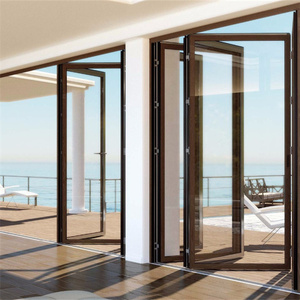
TOMA Customized Waterproof Exterior Aluminum Glass Bifold Patio Sliding Bi Folding Door
- Profile: 6063-T5 Thermal Break
- Finish: Matte Black AkzoNobel
- Water Tightness: 600 Pa Rating
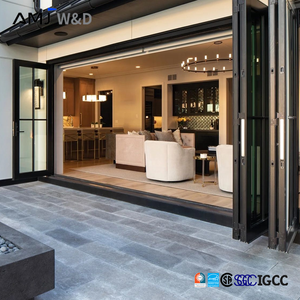
Exterior Folding Door Aluminum Thermal Break Double Glazed Impact Rated Glass Bifold Doors for Villa Balcony Residential
- Glazing: 6mm+12Ar+6mm Low-E
- Wind Pressure: P3 ≥ 4500 Pa
- Structural: Villa & Balcony Spec
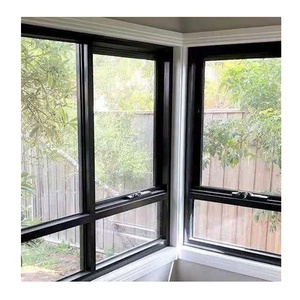
AS2047 Australian Standard Windows and Doors Commercial Window Double Glazed Aluminum Awning Windows
- Standard: AS2047 / NATA Tested
- Hardware: Friction Stays & Chain Winder
- Acoustic: Rw 38 dB Isolation
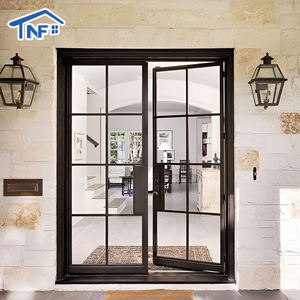
Factory Direct Sale Black Aluminum Frame Casement Entry Door Soundproof Aluminum French Patio Doors for Houses
- Design: Slim Profile Architectural French
- Locking: Multi-point German Hardware
- Soundproof: Double Tempered Glazing
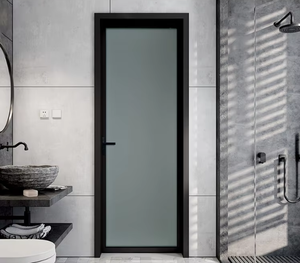
RG50 Minimalist Aluminum Casement Door Soundproof Glass Swing Door for Office Kitchen Bathroom
- Sightline: Ultra-slim 18mm Frame
- Application: Office, Partition & Interior
- Hinge: Concealed Pivot / Continuous
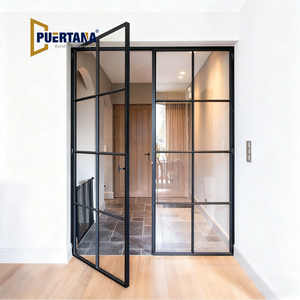
Modern Indoor Aluminium French Casement Swing Glass Door Internal Glass Walls Divider Interior Metal Framed French Doors
- Grid Style: Custom Mullion Layouts
- Finish: Anodized Anodic Black
- Glass: Clear, Fluted or Tinted
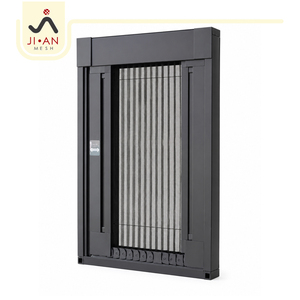
Modern Design Retractable Plisse Insect Screen Folding Pleated Fly Screen Door Aluminum Window Aluminium Door with Mosquito Net
- Mesh: High-durability PET / PE
- Track: Barrier-free Low Threshold
- Match: Seamless Fit to Bifold Doors
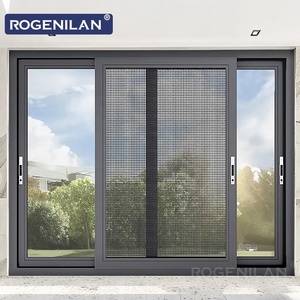
Rogenilan Waterproof Residential Window Double Tempered Glass Thermal Break Aluminum Frame Sliding System Windows
- Track: Stainless Steel Heavy-Duty
- Drainage: Concealed Water Channel
- Thermal U-Factor: ≤ 1.4 W/m²K
Strategic Market Intelligence: Sourcing Black Aluminium Doors from China
In contemporary B2B architectural procurement, matte black aluminium door systems have shifted from a luxury design trend into a standardized requirement for high-end residential developments, resort hospitality projects, and commercial spaces worldwide. The global demand for black profile glazing systems is fueled by the desire for industrial-chic aesthetic lines, ultra-narrow sightlines, and robust weatherability across varied climate zones.
China's extrusion manufacturing ecosystem leads global production of architectural aluminium. However, navigating B2B procurement, evaluating metallurgical specifications, ensuring compliance with local energy codes (such as AS2047 in Australia, NFRC/Title 24 in California, or CE EN 14351-1 in Europe), and preventing field degradation requires rigorous technical due diligence.
Metallurgical & Surface Finishing Standards: Powder Coating vs. Anodizing
Black aluminium profiles suffer higher thermal absorption under direct solar radiation compared to lighter architectural finishes. Solar radiation can elevate profile surface temperatures to over 75°C (167°F) in tropical or arid environments. To guarantee color fastness, scratch resistance, and structural stability, leading Chinese OEMs utilize two primary surface engineering methodologies:
Qualicoat Class 2 / 3 Fluorocarbon (PVDF)
Utilizes AkzoNobel Interpon or PPG Kynar 500 resin systems. Offers exceptional chalking resistance and retains >80% gloss retention after 10 years of accelerated weathering tests in high-UV regions (e.g., GCC, Arizona, Coastal Australia).
Architectural Black Anodizing (Type II / III)
Electrochemical conversion coating creating an integral aluminium oxide layer (15µm to 25µm depth). Eliminates risks of filiform corrosion, peeling, or blistering in extreme marine environments (C4/C5 corrosion categories).
Micro-Textured Matte Finishes
Specially formulated anti-fingerprint matte coatings (5% to 15% gloss level) engineered to resist mechanical abrasions, concealing minor jobsite handling marks while delivering a premium tactile feel for interior partitions.
Surface Coating Performance Matrix for Black Aluminium Profiles
| Specification Criterion | Standard Powder Coating (Class 1) | Super Durable Powder Coating (Qualicoat Class 2) | PVDF Fluorocarbon (2-Coat / 3-Coat) | Architectural Hard Anodized Black |
|---|---|---|---|---|
| UV Resistance / Gloss Retention | 1-2 Years Florida Test | 3-5 Years Florida Test | 10 Years Florida Test | Permanent (Inorganic Dye) |
| Salt Spray Corrosion Test | 1,000 Hours (ASTM B117) | 2,000 Hours (ASTM B117) | 3,000+ Hours (ASTM B117) | 3,000+ Hours (C5-M Marine) |
| Thermal Expansion Tolerance | Moderate | High | Very High | Optimal (Integral Oxide Layer) |
| Ideal B2B Application Zone | Interior Partitions / Low-UV | Standard Exterior Facades | High-UV Desert / Coastal Luxury | Severe Marine & Industrial Ports |
Engineering Trends Shaping the Future of Black Aluminium Door Sourcing
As global building energy codes tighten, purchasing agents, project engineers, and wholesale importers must evaluate structural mechanics beyond surface aesthetics. Sourcing managers are focusing on four primary technological developments:
1. Multi-Cavity Polyamide PA66 GF25 Thermal Breaks
Standard non-thermal profiles fail modern thermal performance benchmarks. Advanced black bifold and sliding door systems incorporate 24mm to 34mm multi-cavity thermal break strips composed of Polyamide 66 reinforced with 25% glass fiber (PA66 GF25). This composite balances structural rigidity with thermal expansion coefficients matching raw 6063-T5 aluminium alloy, preventing frame warping when the exterior face absorbs heat while interior air conditioning maintains cooler temperatures.
2. Ultra-Narrow Sightlines & Structural Glass Bonding
Modern minimalist architectural design demands max glass area with minimal frame visibility. Innovations like the RG50 series minimize frame sightlines down to 18mm. Achieving structural rigidity with slim profiles relies on continuous structural silicone bonding (e.g., Dow Corning 983) where double or triple insulated glass units become structural diaphragm members, resisting wind deflection loads exceeding 4,500 Pa.
3. Low-Carbon Recycled Aluminium (B2B ESG Compliance)
With Scope 3 carbon reporting mandatory for Tier-1 contractors in Europe and North America, top Chinese exporters are supplying primary extrusions smelted using renewable hydro-electric power, or incorporating ≥75% post-consumer recycled aluminium billet. Sourcing low-embodied-carbon aluminium drastically lowers the EPD (Environmental Product Declaration) carbon intensity score of commercial projects.
Concealed Multi-Point Locks
Concealed hardware tracks with anti-lift locking hooks and stainless steel security keeps integrated directly into the thermal break cavity for sleek aesthetics and elevated forced-entry resistance (PAS 24 / RC2 standards).
Concealed Flush Thresholds
Zero-step flush sill designs engineered with concealed subterranean drainage channels and stainless steel roller tracks, maintaining seamless indoor-outdoor transitions with complete water tightness.
Smart Access Integration
Engineered cutouts and hidden cable conduits within heavy-duty pivot and casement doors to support biometric fingerprint scanners, motorized multi-point locks, and building automation interfaces.
Enterprise Strengths: Strategic Factory Advantage
Partnering directly with a premier Chinese exporter and manufacturer eliminates middleman markups while providing full custom engineering support for custom project requirements. Our 20,000 m² modern manufacturing plant integrates cutting-edge CNC processing lines, automated powder coating, and stringent ISO 9001:2015 quality management systems.
-
24-Hour Shop Drawing & CAD Turnaround: Our engineering desk converts project architectural elevation drawings into detailed shop drawings (AutoCAD / BIM models) with precise installation dimensions, glass schedules, and wind load deflection calculations within 24 hours.
-
Full Structural Pre-Assembly & Testing: 100% of custom folding and sliding doors undergo factory pre-assembly to verify track smoothness, corner seal alignment, hardware engagement, and tolerance fit before disassembling for export packaging.
-
Heavy-Duty Export Crating Protection: Glazed assemblies are wrapped in protective PE anti-scratch film, corner-guarded with high-density EPE foam, and sealed in fumigated plywood crates optimized for container volume loading and safe jobsite transport.
Frequently Asked Questions for B2B Procurement & Sourcing
Technical solutions to common questions asked by developers, architects, facade contractors, and wholesalers when importing black aluminium doors from China.
Why source black aluminium doors directly from China exporters?
Sourcing directly from tier-1 Chinese manufacturers provides a distinct competitive advantage: access to complete extrusion customization, advanced thermal break technologies, and European-grade hardware at 30% to 50% lower capital cost. Furthermore, China's unified supply chain allows for rapid production scaling, custom die creation, and complete OEM private-label branding for regional distributors.
How do black powder-coated profiles resist heat absorption in high-sun regions?
To prevent thermal expansion and finish degradation, we utilize Qualicoat Class 2 super-durable or PVDF fluorocarbon coatings formulated with heat-reflective inorganic pigments. When combined with Polyamide PA66 GF25 multi-cavity thermal breaks, heat absorbed by the exterior profile face is blocked from transferring into the interior building envelope, protecting frame integrity and HVAC efficiency.
What international certifications do your black aluminium doors carry?
Our door and window product lines are engineered to meet specific regional building codes: Australia AS2047 / AS1288 (NATA accredited lab tested), North American NFRC thermal ratings & CSA/NAFS structural testing, European Union CE Marking (EN 14351-1), and ISO 9001:2015 factory quality standards. Full PDF test reports are provided with shop drawing submittals.
What is the minimum order quantity (MOQ) and production lead time?
We support both bespoke single-villa projects and bulk multi-unit commercial developments. Standard production lead time is 25 to 35 calendar days from signed shop drawing approval and sample confirmation. For wholesale distributors establishing regional inventory programs, private-label extrusion die creation takes approximately 15 days.
How are large glazed bifold and sliding doors packed for ocean freight?
Glazed door assemblies are packed using a multi-layer export protection protocol. Frames are fully wrapped in PE anti-scratch film and corner-guarded with EPE foam buffers. Units are packed into IPPC-certified fumigated plywood crates with internal rubber shock pads. Crates are loaded via fork-lift into 20GP or 40HQ containers following a CAD loading map to maximize space and prevent transit shift.
Can you manufacture custom mullions and muntin grid designs for interior French doors?
Yes. Interior black metal-framed French doors and glass partition walls (such as the RG50 series) feature customizable surface-applied, stick-on, or structural internal aluminum muntin bars. We can match traditional Tudor, Industrial Loft, Minimalist Prairie, or customized geometric grid configurations specified in architectural plans.
Partner with China's Premier Aluminium Door Manufacturer
Elevate your project's architectural value while reducing procurement costs. Submit your architectural elevations, window schedules, or BOQ drawings for a 24-hour engineering assessment and quotation.