Featured OEM/ODM Aluminium Windows & Doors Catalog
Precision-engineered thermal break systems certified to AS 2047, NFRC, CSA, and CE international standards.
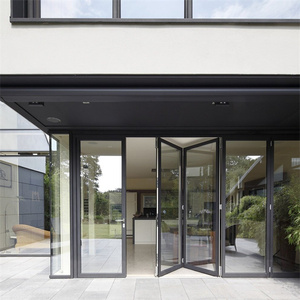
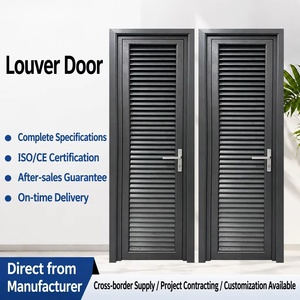
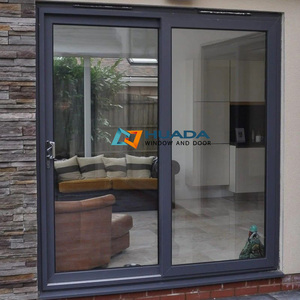
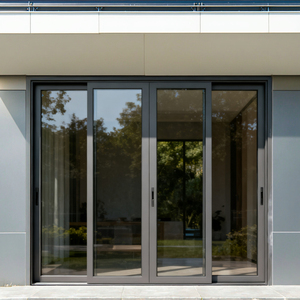
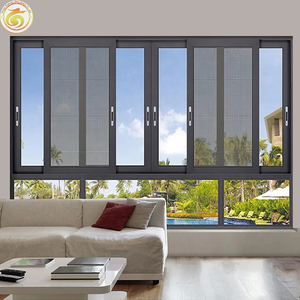
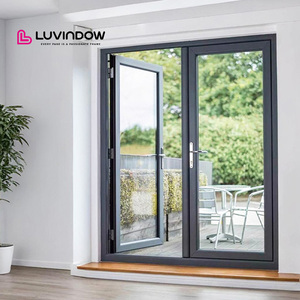
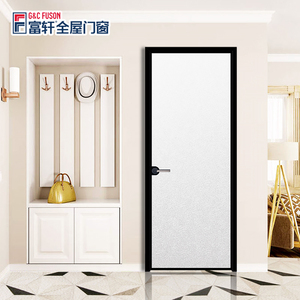
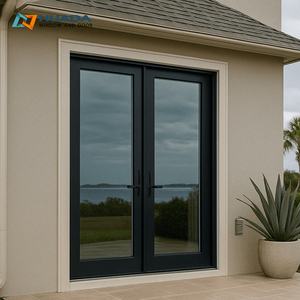
Manufacturing Standards for High-Humidity Glazing
Why Tier-1 global contractors source specialized bathroom windows directly from leading Chinese extruders.
PA66GF25 Thermal Barriers
Utilizing 25% glass-fiber reinforced polyamide thermal break strips to eliminate thermal bridging, preventing interior surface condensation in humid environments while reducing HVAC energy loss.
Dual-Layer Smart Privacy
Custom glazing configurations featuring switchable PDLC smart glass, satin-etched acid-frosted double IGU, or integrated magnetic louver blinds designed specifically for complete privacy control.
Qualicoat Powder Coating
Surface treatments tailored for high-moisture and detergent exposure. AkzoNobel fluorocarbon (PVDF) and Class 2 Qualicoat finishes deliver 25+ years of corrosion and salt-spray resistance.
Comprehensive Strategic Whitepaper: Sourcing Aluminium Bathroom Windows from China
The global architectural fenestration market has undergone a structural transformation over the past decade. Among specialized window categories, aluminium bathroom windows present unique engineering challenges due to their dual operational demands: maintaining absolute structural framing integrity against severe internal humidity and steam, while simultaneously providing robust thermal isolation, acoustic damping, and versatile privacy options for luxury residential, hospitality, and healthcare applications.
China has solidified its position as the world's primary manufacturing hub for architectural aluminium profiles and processed window assemblies. For B2B procurement managers, real estate developers, and wholesale distributors, partnering with top-tier Chinese aluminium bathroom window factories offers unprecedented economies of scale, cutting-edge extrusion technology, and extensive OEM/ODM customization capabilities. However, navigating the vendor landscape requires deep technical clarity regarding alloy grades, sealants, drainage engineering, and international code compliance.
1. Metallurgy & Extrusion Standards: The Foundation of Structural Durability
The operational lifespan of a bathroom window operating in continuous high-moisture environments is fundamentally dictated by its structural profile metallurgy. Leading Chinese manufacturers like Al-Noor Windows & Doors utilize high-grade 6063-T5 and 6063-T6 aluminum alloys as standard baselines.
| Alloy & Temper Grade | Tensile Strength (MPa) | Yield Strength (MPa) | Corrosion Resistance | Primary Sourcing Application |
|---|---|---|---|---|
| 6063-T5 | ≥ 185 | ≥ 145 | High (Atmospheric/Steam) | Standard Residential Bathroom Casements & Sliders |
| 6063-T6 | ≥ 205 | ≥ 180 | Very High (Structural Moisture) | Commercial Hospitality & High-Rise Coastal Restrooms |
| 6061-T6 | ≥ 290 | ≥ 240 | Superior (Marine/Industrial) | Extreme Wind-Load Hurricane Impact Enclosures |
Unrefined or scrap-recycled aluminum extrusions contain trace iron impurities that induce galvanic micro-corrosion under steam pressure. Premium OEM factories employ 100% primary aluminum billets, subjected to precise homogenizing heat treatments, ensuring profile wall thicknesses consistently meet or exceed 1.4mm for windows and 2.0mm for heavy-duty door-window hybrid systems in accordance with Chinese GB 5237 and Australian AS 2047 frameworks.
2. Advanced Moisture Mitigation and Pressure-Equalized Drainage Architecture
Bathroom environments generate continuous vapor pressure that forces water molecules into frame joints and sill tracks. Inferior window designs rely purely on surface-level topical silicone, which degrades under UV exposure and elevated bath temperatures within 24 to 36 months, leading to hidden frame rot and wall cavity moisture intrusion.
Furthermore, frame assembly must incorporate dual-component corner cleats bonded with specialized structural epoxy (such as German Weiss Kozoweld resin). Mechanically crimped corners without internal epoxy sealant inevitably leak when exposed to high bath temperatures and structural deflection. High-end suppliers incorporate continuous EPDM (Ethylene Propylene Diene Monomer) gasket seals co-extruded with sponge cores, maintaining resilience across thermal fluctuations ranging from -30°C to +80°C.
3. Privacy Glazing Technologies & Acoustic Thermal Integration
Selecting glass for bathroom windows requires balancing natural light transmission with absolute visual privacy and thermal insulation. Leading Chinese wholesalers offer several advanced Insulated Glass Unit (IGU) configurations tailored to specific buyer requirements:
- Acid-Etched Satin Glass: Provides a uniform, permanent matte finish that diffuses light while obscuring interior silhouettes. Unlike sandblasted glass, acid-etched surfaces do not absorb oil or water fingerprints, making them ideal for shower zones.
- Integral Cordless Louver Blinds (IGU Blinds): Venetian blind louvers sealed permanently inside the argon-gas-filled 27A or 32A cavity of a double-glazed unit. Controlled via magnetic sliders or wall switches, they remain 100% dustproof, waterproof, and maintenance-free.
- PDLC Smart Switchable Privacy Glass: Polymer Dispersed Liquid Crystal film laminated between glass layers. Applies electric voltage to switch from opaque frost to crystal clear in 0.1 seconds, offering modern luxury aesthetics for luxury hotels and master suites.
- Low-E Argon Double Glazing: Low-emissivity pyrolytic coatings paired with 90%+ argon gas infill keep internal bathroom surfaces warm, effectively eliminating the surface dew-point threshold that causes glass fogging.
4. Surface Finish Durability: Fighting Chemical & Moisture Attack
Bathroom window frames are regularly exposed to caustic cleaning agents, soaps, humidity, and high temperatures. Sourcing experts must select surface finishing technologies capable of resisting chemical degradation:
Qualanod Anodizing: An electrochemical process that converts the aluminum surface into a durable, corrosion-resistant aluminum oxide finish. A minimum anodic coating thickness of 15 microns (Class AA15) or 25 microns (Class AA25 for marine environments) provides virtually permanent protection against steam-induced oxidation.
Electrostatic Fluorocarbon (PVDF) Spraying: Formulated with Kynar 500 or Hylar 5000 resins, PVDF coatings offer exceptional resistance against acid rain, salt spray, and chemical cleaner degradation. They are recommended for coastal hotel developments and luxury villa projects requiring specific custom RAL color matching.
Future Procurement & Manufacturing Trends (2025–2030)
Strategic directions reshaping the global supply chain for architectural aluminium fenestration.
Low-Carbon Recycled Extrusions
Global developers now require Environmental Product Declarations (EPDs). Leading Chinese factories are adopting renewable hydro-powered smelting to produce low-carbon aluminum profiles with under 4.0 kg CO2/kg Al footprint.
Automated Moisture Sensing
Integration of micro-actuators linked to internal humidity sensors. Bathroom windows automatically micro-vent when relative humidity exceeds 65%, maintaining IAQ without manual intervention.
Ultra-Slim Micro Sightlines
Architectural demand is shifting toward ultra-slim outer frame profiles (15mm-25mm visible width) that maximize glass surface area while retaining structural wind-load capability via concealed reinforcement cores.
Digital Shop Drawing Approval
End-to-end BIM and 3D CAD modeling integration allowing 24-hour drawing turnaround and direct CNC machining automation, drastically reducing production errors and lead times for custom B2B orders.
B2B Procurement Benchmarks: Evaluating Sourcing Channels
Selecting the optimal procurement model directly impacts your project margin, lead times, and quality assurance. Below is a comparative breakdown between direct factory manufacturing, wholesale trading companies, and domestic distributors.
| Evaluation Parameter | Direct Chinese OEM Factory (e.g., Al-Noor) | Trading / Sourcing Intermediary | Local Domestic Wholesaler |
|---|---|---|---|
| Cost / Unit Price | Factory Direct Baseline (Best Margin) | + 15% to 35% Intermediary Markup | + 50% to 100% Local Distribution Margin |
| Customization Capability | Full OEM/ODM (Profiles, Dies, Hardware, Glass) | Limited to Trading Portfolio | Standard Stock Sizes & Colors Only |
| Engineering Support | In-house CAD/BIM Engineers, 24-hr Markups | Relies on Third-Party Engineers | Minimal / Post-Sales Only |
| Quality Control (QC) | Raw Material to Crated Item Tracking (ISO 9001) | Variable Visual Inspection | Third-party imported batch sampling |
| International Testing | Full NFRC, AS 2047, CSA, CE Lab Documentation | Inconsistent or Shared Reports | Varies by Local Stocking Line |
Al-Noor Manufacturing Capabilities & E-E-A-T Guarantee
With a foundation dating back to 1995, Al-Noor Aluminum Windows & Doors Industries LLC operates out of a state-of-the-art 20,000 m² production facility. We specialize in custom thermal break windows, doors, and skylights engineered to client drawings, exporting to over 60 countries and regions worldwide.
Request Engineering Shop Drawings
Send your architectural schedules or floor plans for a 24-hour technical review and unitized quotation.
Get a QuoteFrequently Asked Questions for Window Importers & Contractors
Direct technical answers addressing lead times, shipping protection, compliance, and custom manufacturing.
Initiate Your Custom Aluminium Procurement Today
Connect directly with our engineering team for factory pricing, material samples, and 24-hour shop drawing support for your residential or commercial developments.