Certified Aluminum Glazed Systems Showcase
Factory-direct thermal break windows and heavy-duty doors built to your project's shop drawings and international engineering standards.
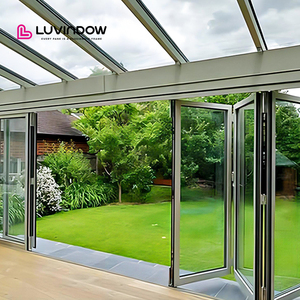
German Standard Aluminium Bifold Accordion windows and Doors Exterior Entry Door
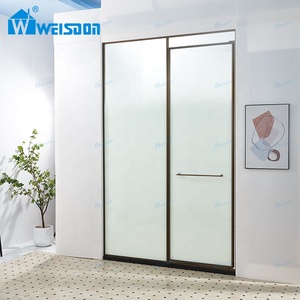
SGCC Certified Villa Hotel 5mm+5mm Laminated Safety Tempered Glass Bronze Aluminum Alloy Framed Pivot Shower Door
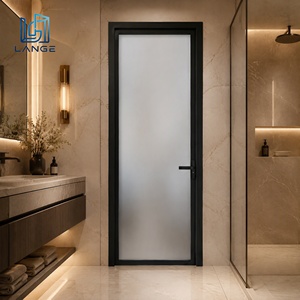
LANGE Modern Slim Frame Aluminum Interior Casement Door Minimalist Luxury Glass Swing Door for Bedroom Bathroom
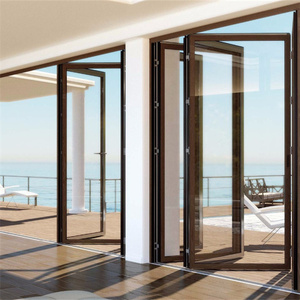
TOMA Customized Waterproof Exterior Aluminum Glass Bifold Patio Sliding Bi Folding Door
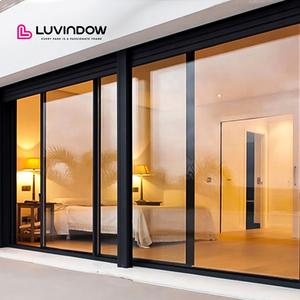
Panoramic Aluminum Energy Efficient Double Glass Multi Panel Door Heavy Duty Multi-Panel Sliding Door
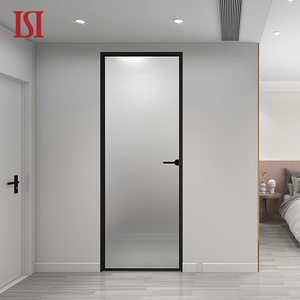
HENNISSY Modern Graphic Design Aluminum Casement Door High-End Custom Residential Interior for Villa Houses for Bedrooms
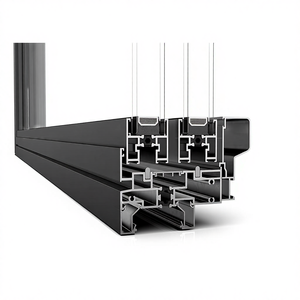
Fuson Soundproof Accordion Sliding Glass Windows and Doors Thermal Break Aluminum Bi Folding Window slide window

2026 OEM PSL Luxury Wooden Residential Home Villa Entrance Security Front Entry Exterior Pivot Aluminium Doors for Houses
Precision Fenestration Engineering & Manufacturing Base
Operating from a 20,000 m² state-of-the-art production complex since 1995, delivering fully certified architectural aluminum glazing systems to over 60 countries.
Global Certification Matrix & Compliance Standard
When specifying aluminum glazed windows and doors for commercial, resort, or luxury residential construction, strict compliance with regional building performance mandates is paramount. Our extrusion systems, thermal barriers, and insulated glass units (IGUs) are subjected to rigorous third-party physical testing under European (EN), North American (NFRC/CSA), and Australian (AS) standards.
| Certification / Standard | Testing Protocol & Performance Scope | Target Sourcing Regions | Engineering Significance |
|---|---|---|---|
| CE Marking (EN 14351-1) | EN 12207 (Air), EN 12208 (Water), EN 12210 (Wind Load) | European Union, UK, Middle East | Mandatory EU structural, thermal, and weatherproofing compliance. Ensures safety and energy integrity. |
| NFRC / CSA A440 | U-Factor, Solar Heat Gain Coefficient (SHGC), Air Infiltration | United States, Canada | Verifies whole-window thermal performance for Energy Star and Title 24 green building energy codes. |
| AS 2047 & AS 1288 | Structural Deflection, Ultimate Limit State (ULS), Water Penetration | Australia, New Zealand, Oceania | Validates structural capability against high wind pressure coastal weather regimes. |
| SGCC / ANSI Z97.1 | Impact Resistance, Laminated & Tempered Safety Glazing | Global Commercial / High-Rise | Guarantees glass fracture safety, impact resistance, and human impact protection compliance. |
| ISO 9001:2015 | Comprehensive Production Quality Management Systems | Factory Operations Standard | Systematic material traceability, automated CNC machining tolerances, and standardized QC sign-offs. |
Technological Evolution & Future Trends in Aluminum Glazing
Analysis of emerging material science, thermal barrier innovations, and structural designs shaping global architectural procurement over the next decade.
1. Polyamide Thermal Barrier Advancement (PA66GF25 Integration)
Traditional aluminum profiles suffered from high thermal conductivity, making them prone to heat transfer and interior condensation. Modern architectural specifications mandate the use of multi-cavity thermal break systems utilizing PA66GF25 (Polyamide 66 reinforced with 25% structural glass fiber). This material matches the coefficient of thermal expansion of aluminum while dropping frame thermal transmittance values down to Uf ≤ 1.3 W/m²K. Future developments are pushing toward multi-chambered polyurethane foam filling inside extrusions to support Passive House (Passivhaus) standards.
Ultra-Minimalist Sightlines
Modern architecture prioritizes daylight harvest. Next-generation sliding and fixed window systems feature interlocking mullions as narrow as 16mm to 22mm, utilizing structural silicone glazing (SSG) techniques to transfer wind load directly to glass panes without bulk frames.
Smart Dynamic & BIPV Glazing
The integration of electrochromic dynamic smart glass—which tints automatically via IoT sensors—and Building Integrated Photovoltaics (BIPV) into insulated glass units allows window facades to generate clean electricity while dynamically mitigating solar heat gain (SHGC).
Acoustic Attenuation Technology
Urban density demands higher Sound Transmission Class (STC) ratings. By pairing multi-layer asymmetric laminated glass (e.g., 6mm + 1.52PVB + 5mm) with double-gasket EPDM compression seals, modern thermal break casement windows achieve sound reduction up to STC 45dB.
Global Sourcing Best Practices for B2B Buyers & Developers
How commercial real estate developers, hotel project managers, and window importers mitigate international supply chain risks and ensure installation fidelity.
The Shift to Direct Factory Shop-Drawing Engineering
Historically, international developers faced communication barriers when purchasing custom fenestration overseas. The modern standard relies on a digital 24-hour CAD/BIM shop drawing review process. Prior to profile cutting, engineers model every structural connection, sill drainage detail, and rough opening allowance.
- Elimination of site measurement discrepancies via approved 2D/3D shop drawings.
- Physical corner sample verification prior to full batch production runs.
- Elevation-tagged, room-by-room export crating for streamlined site assembly.
Export Packaging & Risk Mitigation
Long-distance ocean freight introduces humidity, container vibration, and mechanical handling strain. Professional export preparation mandates five protective layers:
Frequently Asked Technical Sourcing Questions
Expert answers addressing certification compliance, surface finishing, glass selection, and custom fabrication logistics.
Transform Your Architectural Vision Into Engineered Reality
Download our complete 2026 Architectural Glazing System Catalog, comprehensive technical CAD details, and full EN 14351-1 / NFRC certification test reports.